
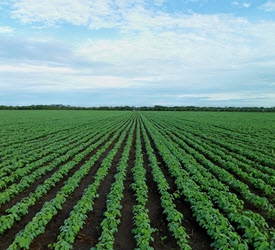
The UN FAO reports that global agricultural commodity prices rose 3.1 percent in 2020. Though overall commodity prices are still below 2012 levels, vegetable oil prices are now at their highest level since that pivotal year. Global vegetable oil prices rose 4.7 percent in December alone, and were up 19.1 percent for the year. Ending stocks for the big four (palm, rape, soy and sun) are now at more than a decade low. Stocks were partially driven down by price since the average value to producers for these oils in 2019 was $519/MT, versus $662/MT in 2011. Until the spike in 2020, the average global vegetable oil price had been down 32 percent in real terms from 2011. But the decline in stocks is uneven. Rapeseed oil stocks are down one-third...


 Fabiana is a genus of flowering plants in the nightshade family, native to dry slopes in western South America.[1] They are evergreen shrubs or subshrubs,[1] with needle-like leaves and profuse tiny tubular flowers in summer. The common name is false heath because the leaves superficially resem...


 The magpie goose (Anseranas semipalmata) is the sole living representative species of the family Anseranatidae. This waterbird is found in northern Australia and southern New Guinea.[2] The species is not truly migratory but it sometimes travels large distances to find food and water, especiall...
 A pika (/ˈpaɪkə, ˈpiːkə/ PY-kə, PEE-kə[3][4]) is a small, mountain-dwelling mammal native to Asia and North America. With short limbs, a very round body, an even coat of fur, and no external tail, they resemble their close relative the rabbit, but with short, rounded ears.[5] The large-eared pi...

 Lobelia (/loʊˈbiːliə, lə-/[4][5][6]) is a genus of flowering plants in the family Campanulaceae comprising 415 species,[7] with a subcosmopolitan distribution primarily in tropical to warm temperate regions of the world, a few species extending into cooler temperate regions.[8] They are known g...

From WPI Consulting
Like all marmots
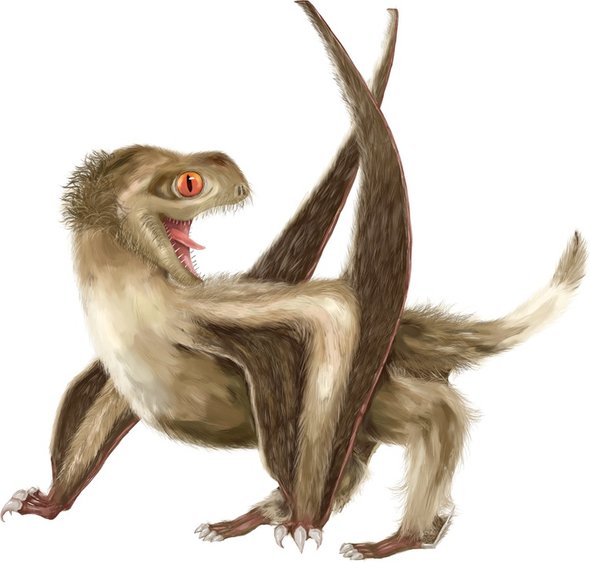
An adult Vancouver Island marmot typically measures 65 to 70 centimetres (26 to 28 in) from the tip of its nose to the tip of its tail.