
USDA’s projection for U.S wheat in the current 2023/24 season is total U.S. wheat production of 1,665 million bushels. This is a production level that is similar to the prior 2022/23 season's production of 1,650 and similar to the 2021/22 level of 1,646 million bushels. U.S. ending stocks of total wheat in the 2023/24 season are forcast to be 562 million busels, similar to the 2022/23 ending stocks total of 598 million bushels. The average farm price per bushel is projected to decline from $8.85 in 2022/23 to $7.70 per bushel in 2023/34. The decline in the seasonal average price of U.S. wheat from 2022/23 to 2023/24 is partly because of the modest increase in global ending stocks from 267 to 271 million metric tons.  ...



 ZanzibarMnemba Marine Parksouthern cassowary Mnemba Marine Park is located 10 kilometres (6 mi) from Stone Town and forms part of the northeastern Unguja Island. A marine reserve and atoll, its shallow stretch of coral reef is in the shape of an oval. It is located between Matemwe and Nungwi, w...

 Kiwengwa/Pongwe Forest Reserve Kiwengwa/Pongwe Forest Reserve is located on the northeast coast of Unguja, 20 kilometres (12 mi) from the Town. The reserve is an important biodiversity spot in the coral rag zone. The forest reserve is rich both in faunal and floral species. The faunal species r...


 content here...

From WPI Consulting
Forecasting developments in production agriculture
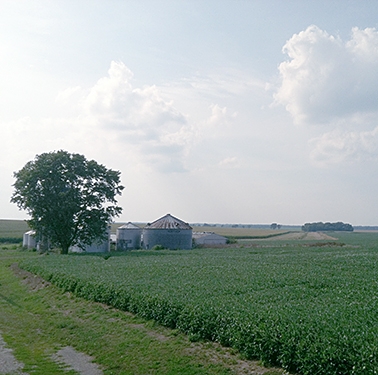
On behalf of a private U.S. agricultural technology provider, WPI’s team generated an econometric model to forecast the movement of concentrated corn production north and west from the traditional U.S. Corn Belt. WPI’s model has subsequently provided quantitative support to a multi-million-dollar investment into short-season corn variety development. WPI’s methodology included a series of interviews with regional grain elevators and seed consultants. Emphasizing outreach and communication with stakeholders who possess intimate sectoral knowledge – on-the-ground insights – is a regular component of WPI’s methodologies, made possible by WPI’s ever-growing network of industry contacts.