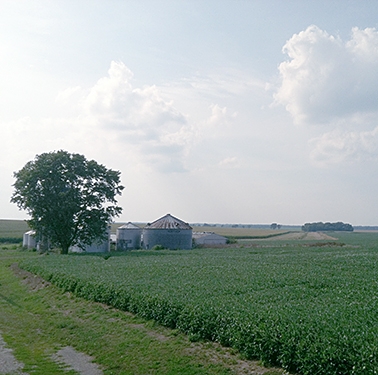
The National Weather Service issues its updated long-term weather forecasts once each month. Obviously, the May and June updates are important because they provide at least a glimpse of what weather conditions might be during the gut slot of the North American growing season. The maps below, released 17 May, show the precipitation and temperature forecasts for the June/July/August time frame. It’s notable that there isn’t a change from last month’s outlook. For the most part, they indicate that weather models suggest normal temperatures/precipitation for the center of the country, essentially the Corn Belt, and above-normal precipitation for the eastern third of the U.S.
Below are the drought monitor maps of 15 May 201...



 ZanzibarMnemba Marine Parksouthern cassowary Mnemba Marine Park is located 10 kilometres (6 mi) from Stone Town and forms part of the northeastern Unguja Island. A marine reserve and atoll, its shallow stretch of coral reef is in the shape of an oval. It is located between Matemwe and Nungwi, w...
 Kiwengwa/Pongwe Forest Reserve Kiwengwa/Pongwe Forest Reserve is located on the northeast coast of Unguja, 20 kilometres (12 mi) from the Town. The reserve is an important biodiversity spot in the coral rag zone. The forest reserve is rich both in faunal and floral species. The faunal species r...

 Fabiana is a genus of flowering plants in the nightshade family, native to dry slopes in western South America.[1] They are evergreen shrubs or subshrubs,[1] with needle-like leaves and profuse tiny tubular flowers in summer. The common name is false heath because the leaves superficially resem...