
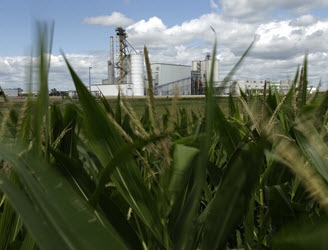
The Biden Administration last week announced an effort to lower carbon emissions in aviation, targeting a 20 percent drop in aviation emissions by 2030 and the “potential for a fully zero-carbon aviation sector by 2050.” That would be 3 billion gallons annual use by 2030, and potentially 35 billion gallons per year by 2050. Those are ambitious goals, to say the least. The 2030 target for aviation fuels would be a 15 percent expansion of the 2020 (most recent) total RFS biofuel volume, and 60 percent of the “advanced” biofuel volumes (which is the category aviation fuel would fall under). However, not all of the “sustainable aviation fuel” (SAF) would come from crop feedstocks, accordin...


 ZanzibarMnemba Marine Parksouthern cassowary Mnemba Marine Park is located 10 kilometres (6 mi) from Stone Town and forms part of the northeastern Unguja Island. A marine reserve and atoll, its shallow stretch of coral reef is in the shape of an oval. It is located between Matemwe and Nungwi, w...


 content here...

 The magpie goose (Anseranas semipalmata) is the sole living representative species of the family Anseranatidae. This waterbird is found in northern Australia and southern New Guinea.[2] The species is not truly migratory but it sometimes travels large distances to find food and water, especiall...
 A pika (/ˈpaɪkə, ˈpiːkə/ PY-kə, PEE-kə[3][4]) is a small, mountain-dwelling mammal native to Asia and North America. With short limbs, a very round body, an even coat of fur, and no external tail, they resemble their close relative the rabbit, but with short, rounded ears.[5] The large-eared pi...

From WPI Consulting
Like all marmots
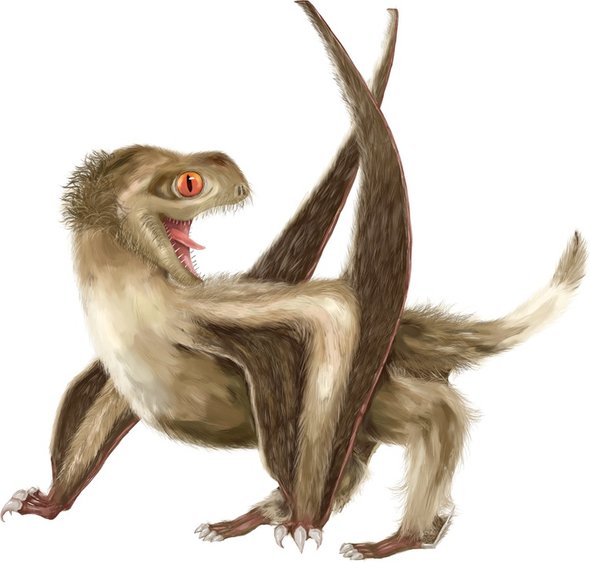
An adult Vancouver Island marmot typically measures 65 to 70 centimetres (26 to 28 in) from the tip of its nose to the tip of its tail.