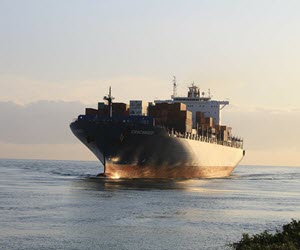
Dry bulk freight markets were quiet this past week and continued the trend that has been present since mid-October. The quiet trade let rates drift lower with disappointment about the slow appearance of Chinese demand weighing on market sentiment. The U.S.-China trade deal was thought to be likely to spur a boost of freight demand, but that has not appeared despite market rumors of PNW soybean and wheat bookings by the Middle Kingdom. There are rumors that some exporters are cancelling FH November freight bookings because of the slow demand. Confusion around the U.S.-China trade deal framework and exactly what was agreed to is a major factor complicating grain trade an ocean freight. China still has not confirmed the purchase volumes...



 An Ankylosaurus lumbers along the shore of what’s now eastern Montana. Walking low to the ground, the dino uses its flat, leaf-shaped teeth to tear at ferns lining the water. Suddenly, a shadow looms over the herbivore—a Tyrannosaurus rex is hungry. But Ankylosaurus won’t be a...


 The magpie goose (Anseranas semipalmata) is the sole living representative species of the family Anseranatidae. This waterbird is found in northern Australia and southern New Guinea.[2] The species is not truly migratory but it sometimes travels large distances to find food and water, especiall...

From WPI Consulting
Illuminating the value of technical research

On behalf of a commodity producer organization, WPI evaluated the outputs from a project that featured a $5 million investment into technical research over multiple years. WPI’s team captured the results of this extensive effort and synthesized them for presentation to the organization’s governing board; among the findings uncovered and presented for the first time was the development of genomic traits proven, via rigorous testing, to provide crop yield advantages of 50 percent or more to U.S. farmers in times of drought. Capturing measurable results from long-term efforts can be challenging. Educating clients on the dynamics of success measurement when quantifiable results are not readily available requires deep client-consultant collaboration and an ability to consider both near- and long-term client aspirations with market/policy dynamics – attributes that WPI brings to every consulting engagement.