


GOOD MORNING, Bean prices led the way higher yesterday as products put in congestive trade, with today's price action mixed. Meal is lower vs. soyoil, and wheat is gaining on corn. Beans remain firm as bull-spreading activity continues, and the domestic basis remains firm. US farmers continue to want to sell their beans on a better rally, while the Brazilian farmer sells aggressively on a weaker Brazilian currency, which hit an all-time low vs. the dollar yesterday at 4.38 per dollar, some 9% lower than at the start of the year. Brazil's Central Bank intervened on Thursday to prop up their currency, which has fallen to one of the lowest levels in years. The spread between the US dollar, which traded to n...


 Kiwengwa/Pongwe Forest Reserve Kiwengwa/Pongwe Forest Reserve is located on the northeast coast of Unguja, 20 kilometres (12 mi) from the Town. The reserve is an important biodiversity spot in the coral rag zone. The forest reserve is rich both in faunal and floral species. The faunal species r...
 Fabiana is a genus of flowering plants in the nightshade family, native to dry slopes in western South America.[1] They are evergreen shrubs or subshrubs,[1] with needle-like leaves and profuse tiny tubular flowers in summer. The common name is false heath because the leaves superficially resem...
 An Ankylosaurus lumbers along the shore of what’s now eastern Montana. Walking low to the ground, the dino uses its flat, leaf-shaped teeth to tear at ferns lining the water. Suddenly, a shadow looms over the herbivore—a Tyrannosaurus rex is hungry. But Ankylosaurus won’t be a...
 testing content here...

From WPI Consulting
Like all marmots
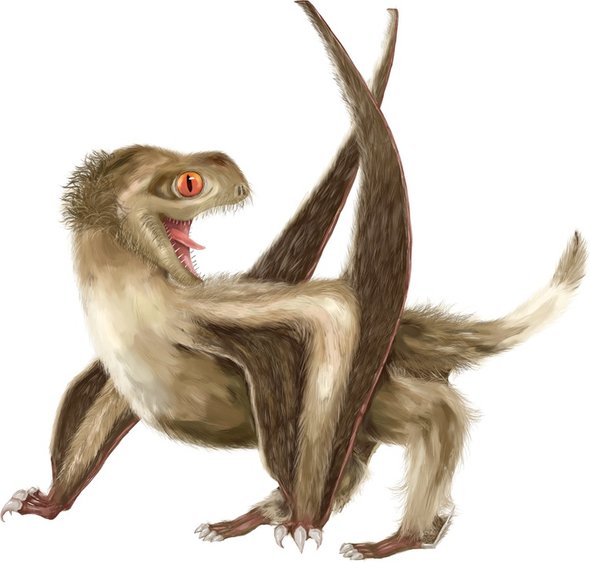
An adult Vancouver Island marmot typically measures 65 to 70 centimetres (26 to 28 in) from the tip of its nose to the tip of its tail.