Agriculture’s Unique Pedestal It comes with downsides, but U.S. agriculture continues to be highlighted in a manner that would have been unheard of a few years ago. Analysts would listen keenly for the rare times when a president would make a mere mention of farmers in the annual State of the Union speech. Now the sector is front and center in U.S. trade policy, albeit in an often-uncomfortable way. USTR is likely to notify the U.S. Congress of its intent to negotiate a bilateral trade agreement with the EU that includes agriculture, even as the EU Commission will request a mandate from its member states to solely negotiate industrial products with Washington. Those holding the office of top diplomat for the U.S., secretary of state...



 content here...

 testing content here...

 A pika (/ˈpaɪkə, ˈpiːkə/ PY-kə, PEE-kə[3][4]) is a small, mountain-dwelling mammal native to Asia and North America. With short limbs, a very round body, an even coat of fur, and no external tail, they resemble their close relative the rabbit, but with short, rounded ears.[5] The large-eared pi...

From WPI Consulting
Forecasting developments in production agriculture
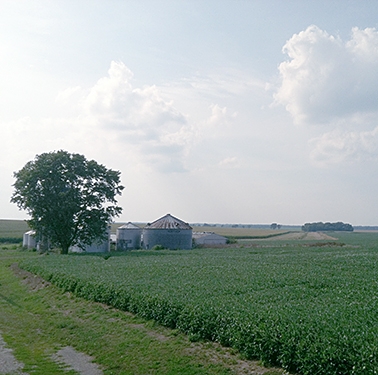
On behalf of a private U.S. agricultural technology provider, WPI’s team generated an econometric model to forecast the movement of concentrated corn production north and west from the traditional U.S. Corn Belt. WPI’s model has subsequently provided quantitative support to a multi-million-dollar investment into short-season corn variety development. WPI’s methodology included a series of interviews with regional grain elevators and seed consultants. Emphasizing outreach and communication with stakeholders who possess intimate sectoral knowledge – on-the-ground insights – is a regular component of WPI’s methodologies, made possible by WPI’s ever-growing network of industry contacts.