APEC’s Bad Omen While Beijing has reportedly responded in writing to Washington’s demand for specific trade reforms, the market should not place too much hope in a Sino-American reconciliation. More indicative of the situation was a meeting this past weekend of the Asia-Pacific Economic Cooperation (APEC), which was uncooperative. The meeting ended without a joint statement for the first time in its quarter-century history. At this juncture, it seems unlikely that anything reassuring to the markets will arise out of the upcoming meeting between Presidents Xi and Trump. Vice President Mike Pence made particularly strident criticisms of Chinese policies, and this will greatly please Mr. Trump since he prefers that underlings bar...



 content here...

 The magpie goose (Anseranas semipalmata) is the sole living representative species of the family Anseranatidae. This waterbird is found in northern Australia and southern New Guinea.[2] The species is not truly migratory but it sometimes travels large distances to find food and water, especiall...

 testing content here...

From WPI Consulting
Infrastructure investment due diligence
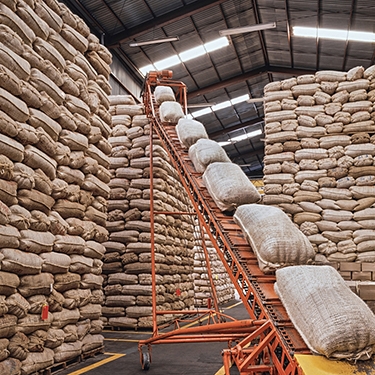
On behalf of a Canadian oilseed processer WPI's team provided market analysis, econometric modeling and financial due diligence in support of a $24 million-dollar investment in a Ukrainian crush plant. Consistent with WPI's findings, local production to supply the plant and the facility's output have expanded exponentially since the investment. WPI has conducted parallel work on behalf of U.S., South American and European clients, both private and public, in the agri-food space.