
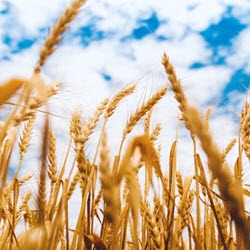
In 2019/20 Russia will again be the world’s largest wheat exporter. This will be the third year in a row that Russia can claim that title. For those of us who can remember the 1970’s when individual sales of 1 MMT or more of U.S. wheat to the Soviet were not uncommon, this represents quite a change. In hindsight it should not be a total surprise. Russia has about 10 percent of the world’s arable land almost all of which is quite suitable for wheat production. The breakdown of the old and inefficient Soviet collective farm system paved the way for improved agronomic practices, higher quality seeds and private farm ownership and management. Russian farms range in size from small units to huge operations, all of which are fo...


 An Ankylosaurus lumbers along the shore of what’s now eastern Montana. Walking low to the ground, the dino uses its flat, leaf-shaped teeth to tear at ferns lining the water. Suddenly, a shadow looms over the herbivore—a Tyrannosaurus rex is hungry. But Ankylosaurus won’t be a...
 testing content here...

 A pika (/ˈpaɪkə, ˈpiːkə/ PY-kə, PEE-kə[3][4]) is a small, mountain-dwelling mammal native to Asia and North America. With short limbs, a very round body, an even coat of fur, and no external tail, they resemble their close relative the rabbit, but with short, rounded ears.[5] The large-eared pi...

From WPI Consulting
Like all marmots
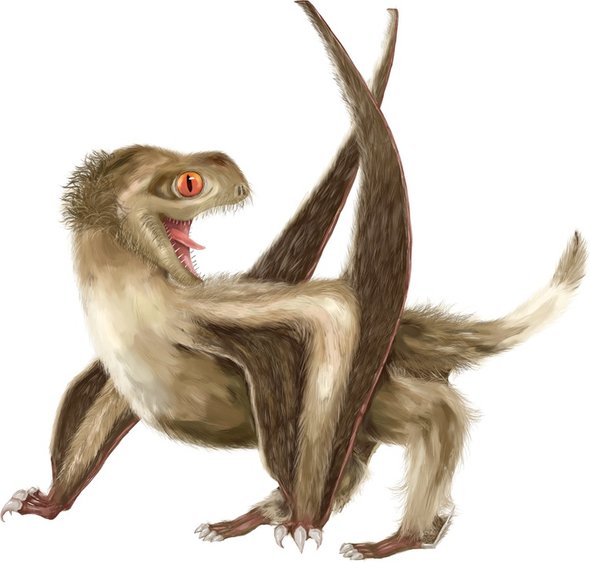
An adult Vancouver Island marmot typically measures 65 to 70 centimetres (26 to 28 in) from the tip of its nose to the tip of its tail.