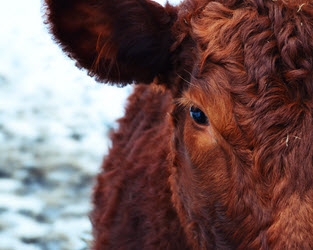
The World Organization for Animal Health (WOAH) announced last month that it has removed atypical bovine spongiform encephalopathy (BSE) from the list of animal diseases that require compulsory notification. As WPI covered in May, A 5-year-old cow in South Carolina was discovered to have a case of atypical BSE late last week. USDA’s Animal Plant Health Inspection Service (APHIS) National Veterinary Services Laboratory confirmed the cow was positive for atypical L-type BSE. That case was reported to WOAH. The last previous case of atypical BSE was in 2018. WOAH recognizes the U.S. as negligible risk for BSE, the lowest possible risk in the world. Per WOAH guidelines in determining this status, atypical BSE cases do...



 testing content here...

 A pika (/ˈpaɪkə, ˈpiːkə/ PY-kə, PEE-kə[3][4]) is a small, mountain-dwelling mammal native to Asia and North America. With short limbs, a very round body, an even coat of fur, and no external tail, they resemble their close relative the rabbit, but with short, rounded ears.[5] The large-eared pi...


 Lobelia (/loʊˈbiːliə, lə-/[4][5][6]) is a genus of flowering plants in the family Campanulaceae comprising 415 species,[7] with a subcosmopolitan distribution primarily in tropical to warm temperate regions of the world, a few species extending into cooler temperate regions.[8] They are known g...

From WPI Consulting
Accountability and a comprehensive approach to export programming

WPI’s team helped construct a strategic approach to develop, implement, and track promotional activities in 8 key regions across the globe for an agricultural export association. With continued progress measurement and strategic advisory services from WPI, the association has seen its ROI from investments in promotional programming increase by 44 percent over the past 5 years. Not only does this type of holistic approach to organizational strategy provide measurable results to track and analyze, it fosters top-down and bottom-up organizational accountability.