
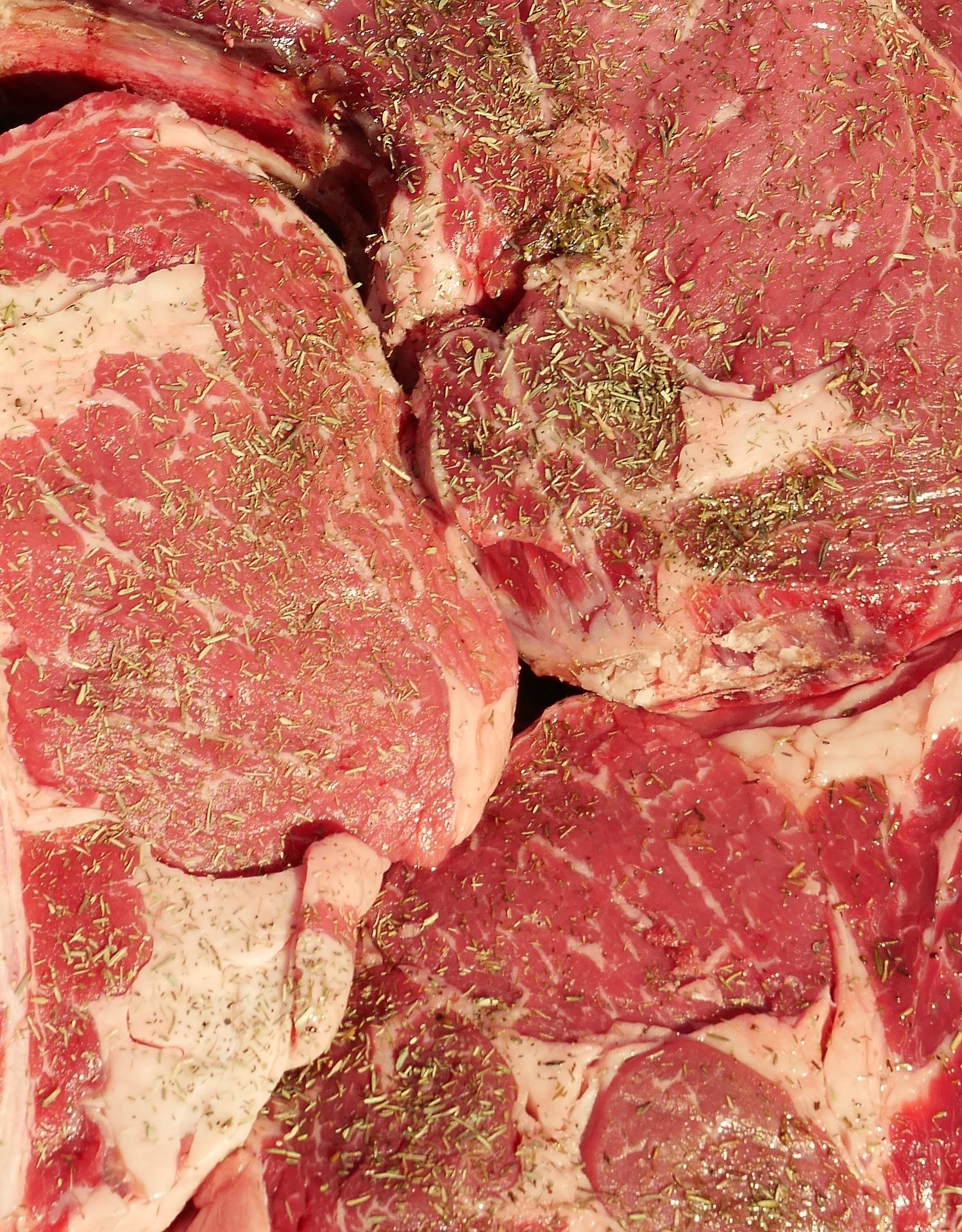
Beef is expensive to produce, emits the most greenhouse gases, is highly cultural in some places and has a highly evolving demand structure. Over the past decade, consumption of beef in otherwise relatively large consuming Russia has declined the most of any of the top 20 countries. Note that the top ten countries are shaded green in the chart below, and the next 10 countries in demand destruction are shaded blue. China is a large consumer that has concurrently had the largest compound average growth rate (CAGR) in demand over the past decade. Chile is relatively smaller in total consumption but has had the second fastest CAGR. India, followed by Pakistan, is larger beef consumer with a larger CAGR. South Korea, Kazakhstan and Egypt...



 The magpie goose (Anseranas semipalmata) is the sole living representative species of the family Anseranatidae. This waterbird is found in northern Australia and southern New Guinea.[2] The species is not truly migratory but it sometimes travels large distances to find food and water, especiall...
 The common ostrich (Struthio camelus), or simply ostrich, is a species of flightless bird native to certain areas of Africa (and historically, Arabia) and is the largest living species of bird. The common ostrich is one of two extant species of ostriches, the only living members of the genus St...

 testing content here...

From WPI Consulting
Illuminating the value of technical research

On behalf of a commodity producer organization, WPI evaluated the outputs from a project that featured a $5 million investment into technical research over multiple years. WPI’s team captured the results of this extensive effort and synthesized them for presentation to the organization’s governing board; among the findings uncovered and presented for the first time was the development of genomic traits proven, via rigorous testing, to provide crop yield advantages of 50 percent or more to U.S. farmers in times of drought. Capturing measurable results from long-term efforts can be challenging. Educating clients on the dynamics of success measurement when quantifiable results are not readily available requires deep client-consultant collaboration and an ability to consider both near- and long-term client aspirations with market/policy dynamics – attributes that WPI brings to every consulting engagement.