
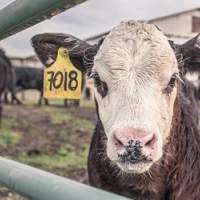
The cattle marketing year is off to a strange start. In the first eight weeks of 2025, weekly carcass weights have averaged 40 pounds more than the same period last year. This component of production is driven by two factors: heavier carcass weights of steers and heifers, and the proportion of steers and heifers in the slaughter mix among cows and bulls. This increase in market-ready supplies of fed cattle is likely supported in part by feedlots continuing to increase poundage per animal and packers reducing slaughter schedules in February. This improves operational efficiencies on a per-head basis, as packer margins are under pressure from paying much higher prices for fed cattle. As those measures are keeping cattle...



 The magpie goose (Anseranas semipalmata) is the sole living representative species of the family Anseranatidae. This waterbird is found in northern Australia and southern New Guinea.[2] The species is not truly migratory but it sometimes travels large distances to find food and water, especiall...
 The common ostrich (Struthio camelus), or simply ostrich, is a species of flightless bird native to certain areas of Africa (and historically, Arabia) and is the largest living species of bird. The common ostrich is one of two extant species of ostriches, the only living members of the genus St...

 testing content here...

From WPI Consulting
Like all marmots
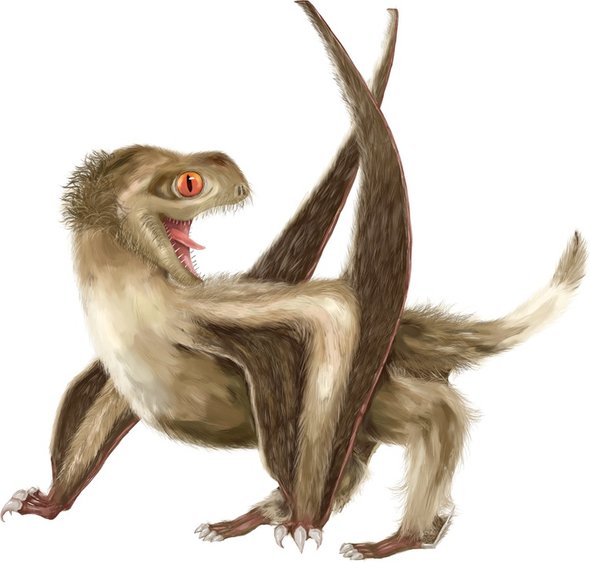
An adult Vancouver Island marmot typically measures 65 to 70 centimetres (26 to 28 in) from the tip of its nose to the tip of its tail.