
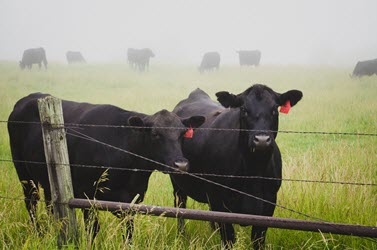
The COVID-19 pandemic has slowed demand for fashion generally and this has reverberated to the leather industry. The hide, which is the largest component of slaughter’s byproducts, only adds about 3 percent to a rancher’s income but has nonetheless been important. A glut of hides in recent years coupled with a drop in U.S. exports has sent the price falling. Because of COVID, the export market for hides and skins fell by 22 percent during the first half of this year compared to 2019. The worse may be yet to come. Some theorize that once animal welfare advocates kill off the fur market, leather will be their next target. The decline in leather sales will not just hurt raw product producers like the U.S. but value-added processor...



 The magpie goose (Anseranas semipalmata) is the sole living representative species of the family Anseranatidae. This waterbird is found in northern Australia and southern New Guinea.[2] The species is not truly migratory but it sometimes travels large distances to find food and water, especiall...
 The common ostrich (Struthio camelus), or simply ostrich, is a species of flightless bird native to certain areas of Africa (and historically, Arabia) and is the largest living species of bird. The common ostrich is one of two extant species of ostriches, the only living members of the genus St...

 testing content here...

From WPI Consulting
Like all marmots
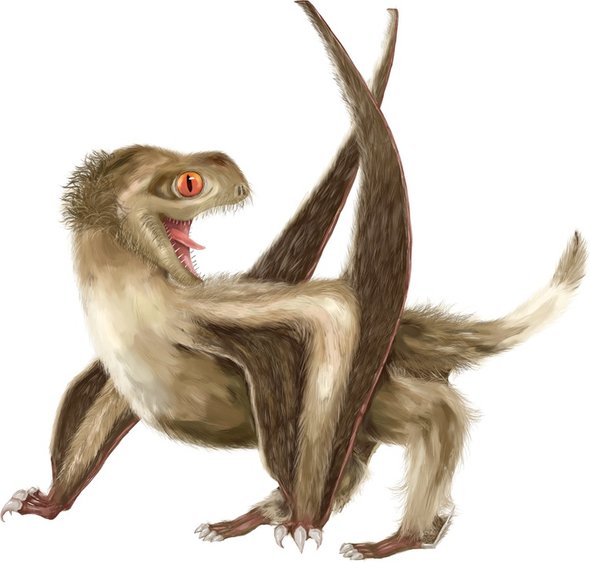
An adult Vancouver Island marmot typically measures 65 to 70 centimetres (26 to 28 in) from the tip of its nose to the tip of its tail.