


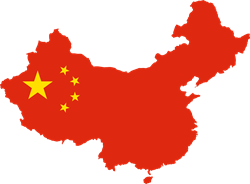
Marco Trends March Economic Data Points to Effects of Stimulus and ASF In response to a sharp economic slowdown and the ongoing impact of the trade war with the U.S., China launched a series of stimulative measures at the end of 2018. After a tepid January and February, the country’s economy seems to have roared back to life, particularly on the consumer front. The central government’s approach has featured a combination of tax cuts, more relaxed bank lending and stepped-up infrastructure spending. While loosening credit appears to fly in the face Beijing’s desire to reform its shadow banking sector and limit the rise of nonperforming loans, the tightening that began in mid-2016 has had a disproportionate impact on small...


 ZanzibarMnemba Marine Parksouthern cassowary Mnemba Marine Park is located 10 kilometres (6 mi) from Stone Town and forms part of the northeastern Unguja Island. A marine reserve and atoll, its shallow stretch of coral reef is in the shape of an oval. It is located between Matemwe and Nungwi, w...
 Kiwengwa/Pongwe Forest Reserve Kiwengwa/Pongwe Forest Reserve is located on the northeast coast of Unguja, 20 kilometres (12 mi) from the Town. The reserve is an important biodiversity spot in the coral rag zone. The forest reserve is rich both in faunal and floral species. The faunal species r...


 content here...

From WPI Consulting
Illuminating the value of technical research

On behalf of a commodity producer organization, WPI evaluated the outputs from a project that featured a $5 million investment into technical research over multiple years. WPI’s team captured the results of this extensive effort and synthesized them for presentation to the organization’s governing board; among the findings uncovered and presented for the first time was the development of genomic traits proven, via rigorous testing, to provide crop yield advantages of 50 percent or more to U.S. farmers in times of drought. Capturing measurable results from long-term efforts can be challenging. Educating clients on the dynamics of success measurement when quantifiable results are not readily available requires deep client-consultant collaboration and an ability to consider both near- and long-term client aspirations with market/policy dynamics – attributes that WPI brings to every consulting engagement.