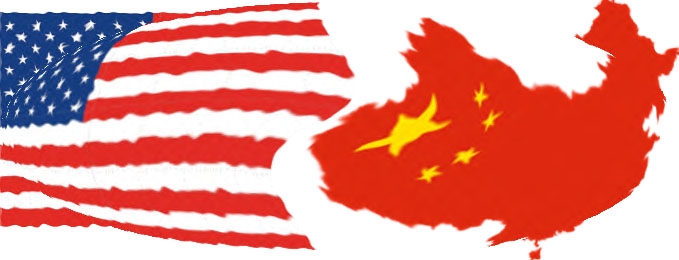
China Purchasing Loophole First, it is important to reemphasize the point made in yesterday’s report that the key achievement in the Phase One trade deal between the U.S. and China is in the technical language. Unlike any other trade agreement, this one contains explicit contractual terms for China’s procedures rather than just high-level principles. For example, Beijing has two years to approve new GMO traits (currently takes 5–7 years), it can’t require its own studies, inquiries must be science-based and unrelated to cultivation issues, etc. The fine print is always said to be important but that is especially true in this agreement. The trade has been skeptical about the commitment by China to specific pur...



 content here...

 testing content here...

 A pika (/ˈpaɪkə, ˈpiːkə/ PY-kə, PEE-kə[3][4]) is a small, mountain-dwelling mammal native to Asia and North America. With short limbs, a very round body, an even coat of fur, and no external tail, they resemble their close relative the rabbit, but with short, rounded ears.[5] The large-eared pi...

From WPI Consulting
Forecasting developments in production agriculture
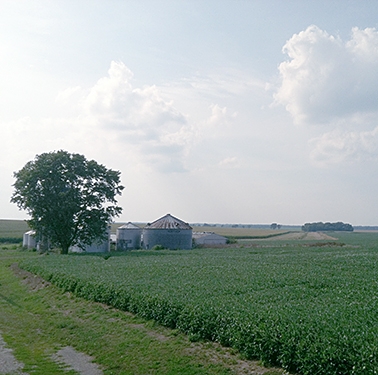
On behalf of a private U.S. agricultural technology provider, WPI’s team generated an econometric model to forecast the movement of concentrated corn production north and west from the traditional U.S. Corn Belt. WPI’s model has subsequently provided quantitative support to a multi-million-dollar investment into short-season corn variety development. WPI’s methodology included a series of interviews with regional grain elevators and seed consultants. Emphasizing outreach and communication with stakeholders who possess intimate sectoral knowledge – on-the-ground insights – is a regular component of WPI’s methodologies, made possible by WPI’s ever-growing network of industry contacts.