
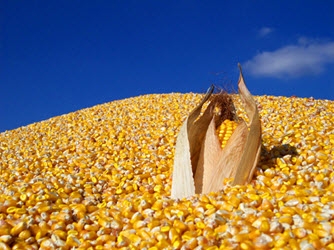
China’s corn carryover has been a mystery for many years and is ongoing due to Beijing viewing such information as protected by national security. Nonetheless, USDA, FAO, IGC and others make their guestimates of the bottom line. The FAO, which usually weighs more heavily than USDA the submitted data from UN members recently reduced its estimate of Chinese corn ending stocks by more than 50 MMT. It said the move was justified based on sharply higher Chinese imports and a domestic price substantially higher than world levels. USDA was not as aggressive in making reductions. Historically, the FAO has estimated global coarse grain stocks about 13.6 percent larger than does USDA. The UN agency has reduced stock estimates for 2020/21...


 Kiwengwa/Pongwe Forest Reserve Kiwengwa/Pongwe Forest Reserve is located on the northeast coast of Unguja, 20 kilometres (12 mi) from the Town. The reserve is an important biodiversity spot in the coral rag zone. The forest reserve is rich both in faunal and floral species. The faunal species r...

 testing content here...

 A pika (/ˈpaɪkə, ˈpiːkə/ PY-kə, PEE-kə[3][4]) is a small, mountain-dwelling mammal native to Asia and North America. With short limbs, a very round body, an even coat of fur, and no external tail, they resemble their close relative the rabbit, but with short, rounded ears.[5] The large-eared pi...

From WPI Consulting
Forecasting developments in production agriculture
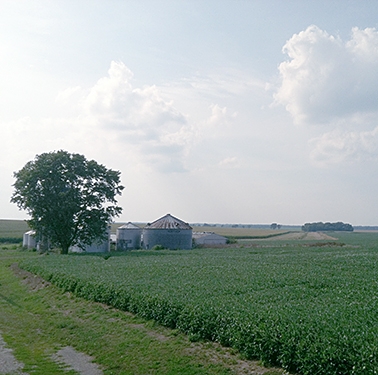
On behalf of a private U.S. agricultural technology provider, WPI’s team generated an econometric model to forecast the movement of concentrated corn production north and west from the traditional U.S. Corn Belt. WPI’s model has subsequently provided quantitative support to a multi-million-dollar investment into short-season corn variety development. WPI’s methodology included a series of interviews with regional grain elevators and seed consultants. Emphasizing outreach and communication with stakeholders who possess intimate sectoral knowledge – on-the-ground insights – is a regular component of WPI’s methodologies, made possible by WPI’s ever-growing network of industry contacts.