
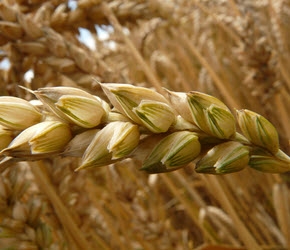
Tensions between the U.S. and Iran have a long history, being particularly intense since 1979. Although food has not been a formal part of the sanctions imposed by Washington, their adverse impact on Iran’s economy have nonetheless impacted dietary consumption. Once a major wheat import market, domestic production has increased in recent years to offset the loss of imports, but not enough to prevent a 17 percent decline in per capita consumption over the past six years. Rice consumption has stayed the same and corn imports, largely from the Black Sea, have doubled in volume since 2014. Iran has a large, youthful population that could present a major consumption basis for agricultural commodities. However, with a la...


 An Ankylosaurus lumbers along the shore of what’s now eastern Montana. Walking low to the ground, the dino uses its flat, leaf-shaped teeth to tear at ferns lining the water. Suddenly, a shadow looms over the herbivore—a Tyrannosaurus rex is hungry. But Ankylosaurus won’t be a...
 testing content here...

 A pika (/ˈpaɪkə, ˈpiːkə/ PY-kə, PEE-kə[3][4]) is a small, mountain-dwelling mammal native to Asia and North America. With short limbs, a very round body, an even coat of fur, and no external tail, they resemble their close relative the rabbit, but with short, rounded ears.[5] The large-eared pi...

 Kolkwitzia amabilis /kɒlˈkwɪtsiə əˈmæbɪlɪs/,[2] commonly known as beauty bush, is a species of flowering plant in the family Caprifoliaceae. It is the sole species in genus Kolkwitzia.[1] It is a deciduous shrub grown as an ornamental plant. In China, where it originated, the plant is cal...

From WPI Consulting
Accountability and a comprehensive approach to export programming

WPI’s team helped construct a strategic approach to develop, implement, and track promotional activities in 8 key regions across the globe for an agricultural export association. With continued progress measurement and strategic advisory services from WPI, the association has seen its ROI from investments in promotional programming increase by 44 percent over the past 5 years. Not only does this type of holistic approach to organizational strategy provide measurable results to track and analyze, it fosters top-down and bottom-up organizational accountability.