
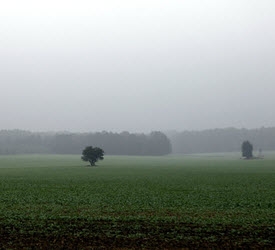
The latest mantra from development specialists is concern about the future availability of water. It is an old topic but a durable one given the preciousness of the resource. Since 70 percent of the withdrawals of freshwater around the world are for agriculture, and 60 percent more food must be produced based on population growth, it is an understandable focus. It means a large increase in the trading of “virtual” water as food is moved from where it can be produced to where it is needed for consumption. The U.S. and EU are major agricultural producers and exporters due to the large availability of both arable land and water. China and particularly India are also well-endowed but have large domestic demand for food and wa...



 content here...

 testing content here...

 A pika (/ˈpaɪkə, ˈpiːkə/ PY-kə, PEE-kə[3][4]) is a small, mountain-dwelling mammal native to Asia and North America. With short limbs, a very round body, an even coat of fur, and no external tail, they resemble their close relative the rabbit, but with short, rounded ears.[5] The large-eared pi...

From WPI Consulting
Infrastructure investment due diligence
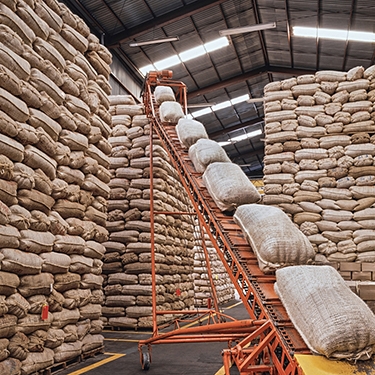
On behalf of a Canadian oilseed processer WPI's team provided market analysis, econometric modeling and financial due diligence in support of a $24 million-dollar investment in a Ukrainian crush plant. Consistent with WPI's findings, local production to supply the plant and the facility's output have expanded exponentially since the investment. WPI has conducted parallel work on behalf of U.S., South American and European clients, both private and public, in the agri-food space.