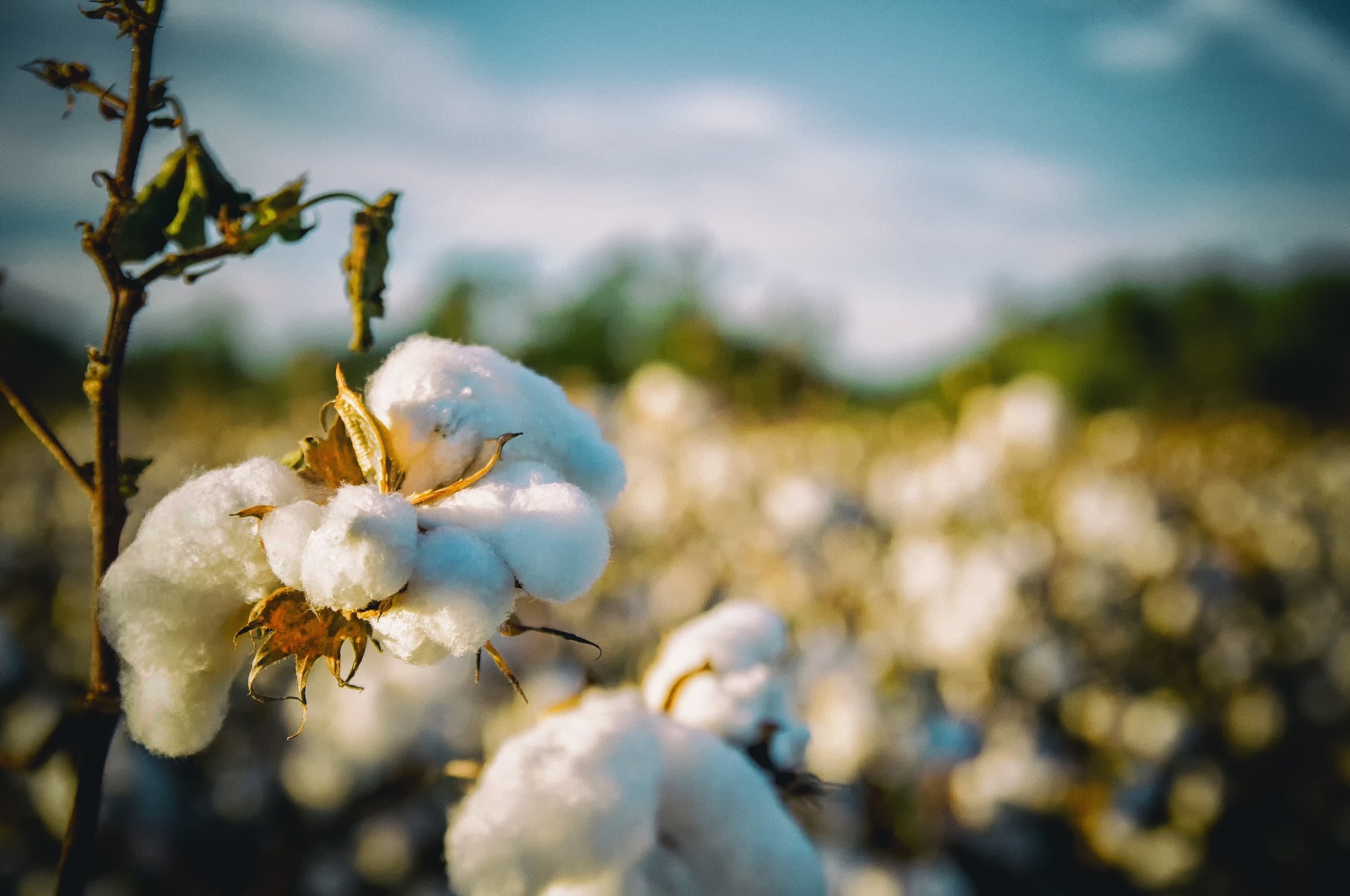
Cotton prices have rallied 35 percent since September as it tries to keep pace with corn and soybeans in the battle for acres this spring. Unlike dryland wheat, land that can grow cotton can also profitably produce corn and soybeans. Cotton requires 200 percent more chemical usage to produce than corn and soybeans. It is by contrast a non-food commodity. The production and consumption of meat has become controversial, both for health and environment reasons, and there is a push to replace animals with plant-based protein and cell-based muscle tissue production. Unlike meat, substitutes for cotton have been in use for many decades. Most are derived from petroleum (polyester, nylon, and polypropylene), but there are other natural subst...



 testing content here...

 A pika (/ˈpaɪkə, ˈpiːkə/ PY-kə, PEE-kə[3][4]) is a small, mountain-dwelling mammal native to Asia and North America. With short limbs, a very round body, an even coat of fur, and no external tail, they resemble their close relative the rabbit, but with short, rounded ears.[5] The large-eared pi...


 Lobelia (/loʊˈbiːliə, lə-/[4][5][6]) is a genus of flowering plants in the family Campanulaceae comprising 415 species,[7] with a subcosmopolitan distribution primarily in tropical to warm temperate regions of the world, a few species extending into cooler temperate regions.[8] They are known g...

From WPI Consulting
Like all marmots
An adult Vancouver Island marmot typically measures 65 to 70 centimetres (26 to 28 in) from the tip of its nose to the tip of its tail.