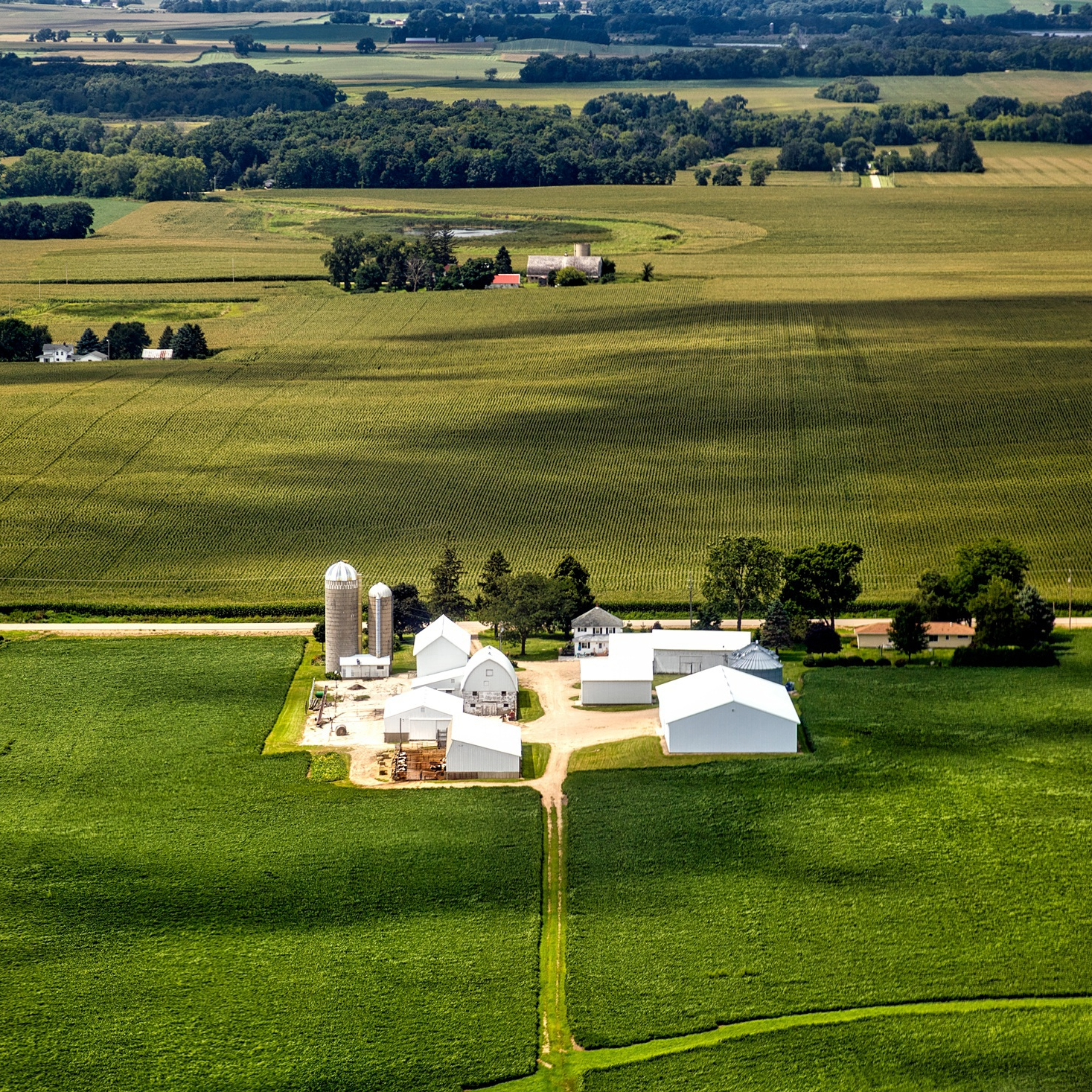
Under the theory of economies of scale, the size of farms, like that of all industries, should increase over time due to improvements in productivity. Farmers themselves understand that the more land they farm, the greater their output and, thus, the larger their potential incomes. Government policies are highly intrusive in agriculture and can distort this dynamic. Often, the social goal is to keep more farmers employed, even at the cost of overall agricultural efficiency. The scale of farms in a country typically correlates with many other societal attributes. Because scale typically means cheaper food and, thus, a lower share of disposable income, societies with larger farms are usually wealthier and have more income for other sectors, s...



 content here...

 The magpie goose (Anseranas semipalmata) is the sole living representative species of the family Anseranatidae. This waterbird is found in northern Australia and southern New Guinea.[2] The species is not truly migratory but it sometimes travels large distances to find food and water, especiall...

 testing content here...

From WPI Consulting
Accountability and a comprehensive approach to export programming

WPI’s team helped construct a strategic approach to develop, implement, and track promotional activities in 8 key regions across the globe for an agricultural export association. With continued progress measurement and strategic advisory services from WPI, the association has seen its ROI from investments in promotional programming increase by 44 percent over the past 5 years. Not only does this type of holistic approach to organizational strategy provide measurable results to track and analyze, it fosters top-down and bottom-up organizational accountability.