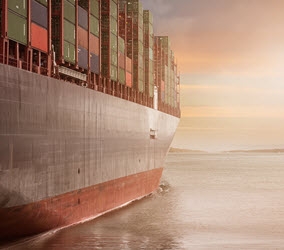
Iran is seizing foreign-flagged vessels in the Strait of Hormuz, and the U.S. is shooting down drones in the region. Analysts say that Tehran is intentionally driving up oil prices to obtain global pushback against the American sanctions that are crippling the Iranian economy. They also warn that attacking shipping in the region will cause an increase in contracted freight rates due to the hike in insurance war risk premia. During past periods of high-level geopolitical tension in the region, the London-based War Risks Rating Committee allowed that premium to nearly double. However, the threat to tanker rates does not appear to have carried over to the bulkers that would be carrying grain. In fact, the charts below show little change...



 testing content here...

 A pika (/ˈpaɪkə, ˈpiːkə/ PY-kə, PEE-kə[3][4]) is a small, mountain-dwelling mammal native to Asia and North America. With short limbs, a very round body, an even coat of fur, and no external tail, they resemble their close relative the rabbit, but with short, rounded ears.[5] The large-eared pi...

From WPI Consulting
Forecasting developments in production agriculture
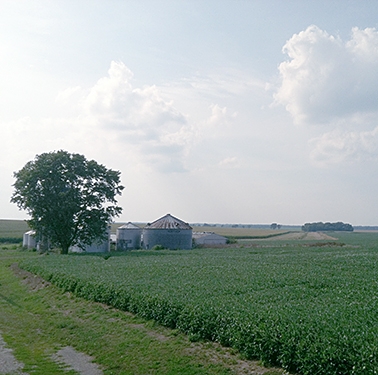
On behalf of a private U.S. agricultural technology provider, WPI’s team generated an econometric model to forecast the movement of concentrated corn production north and west from the traditional U.S. Corn Belt. WPI’s model has subsequently provided quantitative support to a multi-million-dollar investment into short-season corn variety development. WPI’s methodology included a series of interviews with regional grain elevators and seed consultants. Emphasizing outreach and communication with stakeholders who possess intimate sectoral knowledge – on-the-ground insights – is a regular component of WPI’s methodologies, made possible by WPI’s ever-growing network of industry contacts.