

Last week’s WASDE report made several major changes in USDA’s forecasts for the soybean sector. The most important ones were related to the 25 percent tariff that China imposed on soybeans from the U.S. as a result of the trade dispute between the two countries. Because of that higher tariff, USDA lowered its forecasts for China’s soybean imports in 2018/19 from 103 MMT to 95 MMT and for U.S. soybean exports from 62.32 MMT to 55.52 MMT. In turn, this caused U.S. soybean ending stocks on 31 August 2019 to be increased from 10.48 MMT to 15.77 MMT. Where Will China Procure the Feed Protein Needed? USDA apparently determined that China will import very few soybeans in 2018/19. It is not clear whether that will be due...



 content here...
 Fabiana is a genus of flowering plants in the nightshade family, native to dry slopes in western South America.[1] They are evergreen shrubs or subshrubs,[1] with needle-like leaves and profuse tiny tubular flowers in summer. The common name is false heath because the leaves superficially resem...

 testing content here...

From WPI Consulting
Forecasting developments in production agriculture
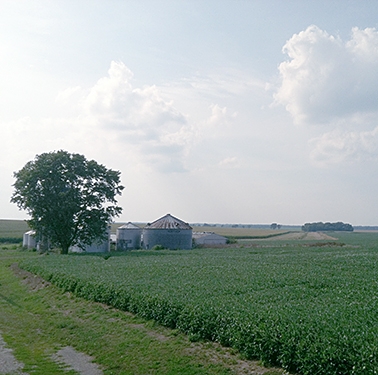
On behalf of a private U.S. agricultural technology provider, WPI’s team generated an econometric model to forecast the movement of concentrated corn production north and west from the traditional U.S. Corn Belt. WPI’s model has subsequently provided quantitative support to a multi-million-dollar investment into short-season corn variety development. WPI’s methodology included a series of interviews with regional grain elevators and seed consultants. Emphasizing outreach and communication with stakeholders who possess intimate sectoral knowledge – on-the-ground insights – is a regular component of WPI’s methodologies, made possible by WPI’s ever-growing network of industry contacts.