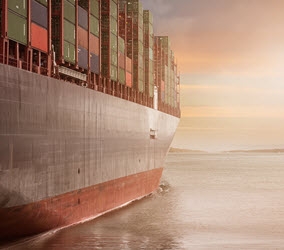
India’s Water India is still hoping to hold the Trump administration from removing it from eligibility for lower tariffs under the Generalized System of Preferences (GSP). The latest message from New Delhi is that the government is looking at increasing imports from the U.S. to reduce its trade surplus with America. The offer might pair up with President Trump’s view of trade but is unlikely to be sufficient for USTR Robert Lighthizer. In fact, he is looking at initiating a Section 301 investigation into all of India’s trade practices. Such a study will find India has as much or more “water” (the gap between the applied and WTO-bound rates) in its tariff schedule as any other country, and that its constant flu...



 content here...

 The magpie goose (Anseranas semipalmata) is the sole living representative species of the family Anseranatidae. This waterbird is found in northern Australia and southern New Guinea.[2] The species is not truly migratory but it sometimes travels large distances to find food and water, especiall...

 testing content here...

From WPI Consulting
Weighing in on strategic realignment

WPI’s team was retained by the governing board of a U.S. industry organization to review a decision, reached by vote, to invest significant assets into the development and management of an export trading company. WPI’s team conducted a formal review of this decision and concluded that the current level of market saturation would limit the benefits of the investment. Based on WPI’s analysis and recommended actions, the board subsequently reversed its decision and undertook a strategic planning effort to identify more impactful investments. On behalf of numerous clients, WPI has not only assisted in identifying strategic paths but also advised their implementation.