


The CBOT opened higher with support coming from USDA daily “flash” export sales announcements. Corn and soybeans started to weaken by mid-morning, however, and finished the day with a relatively lackluster performance. Wheat, on the other hand, posted another day of double-digit gains as commercial and speculative buying was heavy. For corn and the soy complex, choppy trade yesterday and today suggests tops are near, or at least the restart of sideways trade. Wheat seems to be the exception, as the market strength shows no signs of slowing down or forming a top. The U.S. weather pattern is trending wetter heading into the second week of September and the upcoming WASDE report. That will likely cap rallies in corn and soyb...


 Kiwengwa/Pongwe Forest Reserve Kiwengwa/Pongwe Forest Reserve is located on the northeast coast of Unguja, 20 kilometres (12 mi) from the Town. The reserve is an important biodiversity spot in the coral rag zone. The forest reserve is rich both in faunal and floral species. The faunal species r...


 content here...
 Fabiana is a genus of flowering plants in the nightshade family, native to dry slopes in western South America.[1] They are evergreen shrubs or subshrubs,[1] with needle-like leaves and profuse tiny tubular flowers in summer. The common name is false heath because the leaves superficially resem...

From WPI Consulting
Infrastructure investment due diligence
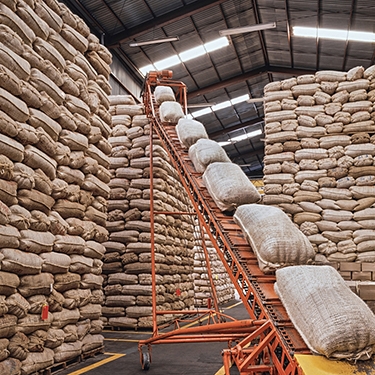
On behalf of a Canadian oilseed processer WPI's team provided market analysis, econometric modeling and financial due diligence in support of a $24 million-dollar investment in a Ukrainian crush plant. Consistent with WPI's findings, local production to supply the plant and the facility's output have expanded exponentially since the investment. WPI has conducted parallel work on behalf of U.S., South American and European clients, both private and public, in the agri-food space.