


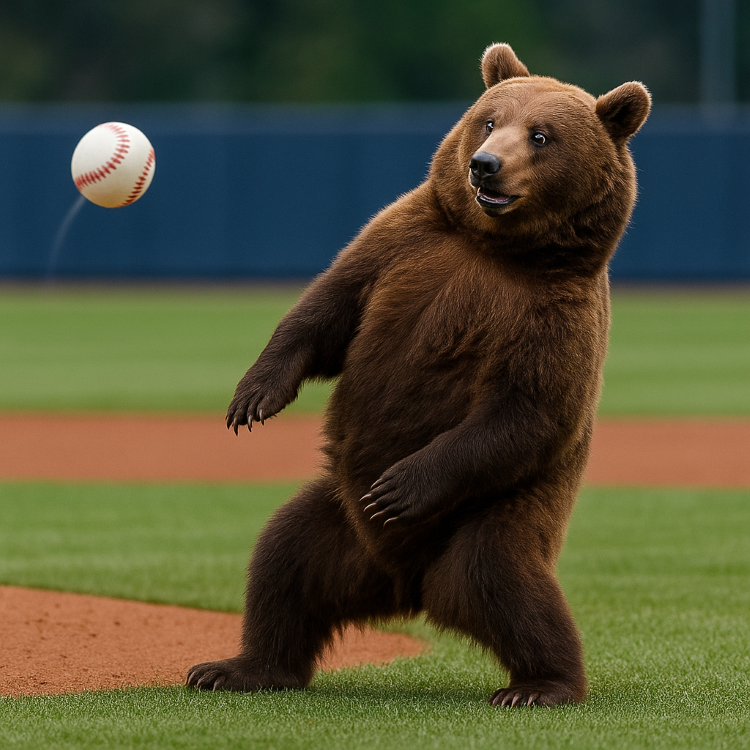
U.S. crop growing weather looks near perfect. Even dry parts of Nebraska and northern Illinois have just received good relief rains. The rest of July is cooler and damp, perfect for pollination. The share of the corn crop rated Good/Excellent is 74 percent, and its 66 percent for soybeans. Yet USDA’s WASDE lowered the expected corn crop by 115 million bushels and cut soybean output by 5 million bushels on lower acreage. It also lowered old crop corn carryover. Everything but soyoil and cattle fell lower today on what looked like a bullish report. A new contract low was printed for corn; cattle hit a new contract high. Traders went with their gut, not this report. Cattle was the only contract to make gains this week. It was...


 Kiwengwa/Pongwe Forest Reserve Kiwengwa/Pongwe Forest Reserve is located on the northeast coast of Unguja, 20 kilometres (12 mi) from the Town. The reserve is an important biodiversity spot in the coral rag zone. The forest reserve is rich both in faunal and floral species. The faunal species r...
 Fabiana is a genus of flowering plants in the nightshade family, native to dry slopes in western South America.[1] They are evergreen shrubs or subshrubs,[1] with needle-like leaves and profuse tiny tubular flowers in summer. The common name is false heath because the leaves superficially resem...
 An Ankylosaurus lumbers along the shore of what’s now eastern Montana. Walking low to the ground, the dino uses its flat, leaf-shaped teeth to tear at ferns lining the water. Suddenly, a shadow looms over the herbivore—a Tyrannosaurus rex is hungry. But Ankylosaurus won’t be a...


 The magpie goose (Anseranas semipalmata) is the sole living representative species of the family Anseranatidae. This waterbird is found in northern Australia and southern New Guinea.[2] The species is not truly migratory but it sometimes travels large distances to find food and water, especiall...

From WPI Consulting
Like all marmots
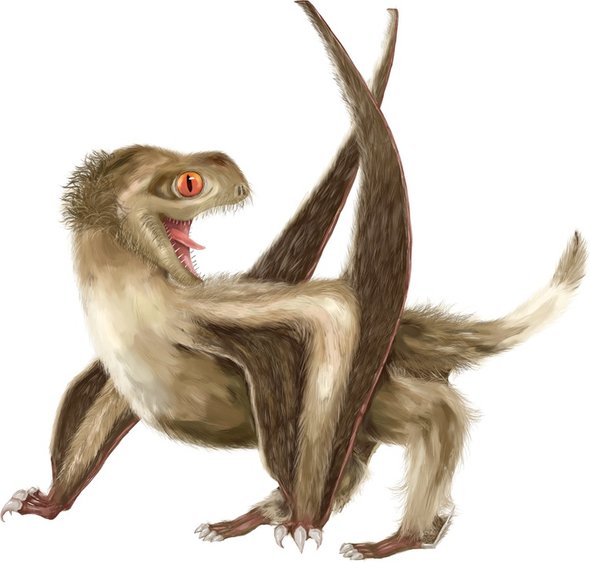
An adult Vancouver Island marmot typically measures 65 to 70 centimetres (26 to 28 in) from the tip of its nose to the tip of its tail.