


War-related upward pressure in petroleum prices continues to provide support to grain prices. Brent crude oil hit $85/barrel and WTI crude rose 8.5 percent, its biggest jump since July 2024 and the first time above $80/barrel in over a year. HRW hit its highest price in a year, corn broke through resistance, and soyoil hit a new contract high. The upward pressure on energies and ag commodities is likely to continue as shipping will not return to normalcy anytime soon in the Strait of Hormuz. However, the rising value of the dollar, up more than 1.5 percent, will weigh on ags. The price of gold has fallen 3.6 percent since the outbreak of the war. Reports Export Sales: USDA’s export sales report covering last week showed a...


 Kiwengwa/Pongwe Forest Reserve Kiwengwa/Pongwe Forest Reserve is located on the northeast coast of Unguja, 20 kilometres (12 mi) from the Town. The reserve is an important biodiversity spot in the coral rag zone. The forest reserve is rich both in faunal and floral species. The faunal species r...
 Fabiana is a genus of flowering plants in the nightshade family, native to dry slopes in western South America.[1] They are evergreen shrubs or subshrubs,[1] with needle-like leaves and profuse tiny tubular flowers in summer. The common name is false heath because the leaves superficially resem...

From WPI Consulting
Forecasting developments in production agriculture
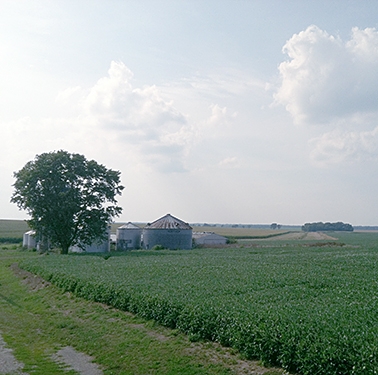
On behalf of a private U.S. agricultural technology provider, WPI’s team generated an econometric model to forecast the movement of concentrated corn production north and west from the traditional U.S. Corn Belt. WPI’s model has subsequently provided quantitative support to a multi-million-dollar investment into short-season corn variety development. WPI’s methodology included a series of interviews with regional grain elevators and seed consultants. Emphasizing outreach and communication with stakeholders who possess intimate sectoral knowledge – on-the-ground insights – is a regular component of WPI’s methodologies, made possible by WPI’s ever-growing network of industry contacts.