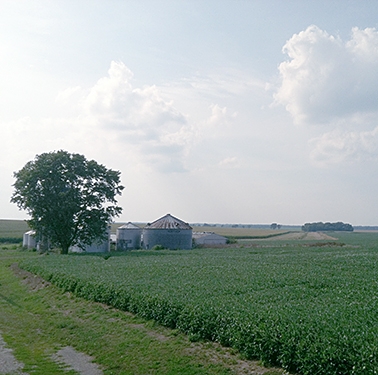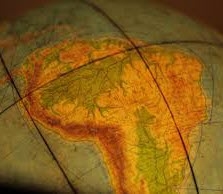
Wheat Wheat planting is progressing rapidly. According to the Buenos Aires Grain Exchange, 43 percent of the estimated 6.2 Mha have been sown. The Rosario Grain Exchange is slightly more optimistic, estimating an area of 6.9 Mha, and a production of 21 MMT. The market, in general, is taking a more intermediate stance, projecting around 6.5 Mha, and 18–19 MMT. In all cases, this represents a significant expansion. The delay in soybean harvesting caused many farmers to postpone their planting decisions and deals are still being closed, mainly for short cycles. The reasons for more wheat include:
The margins are good as wheat prices have risen and farmers need cash at the end of the year. Crop rotation with winter wheat improves s...


 Kiwengwa/Pongwe Forest Reserve Kiwengwa/Pongwe Forest Reserve is located on the northeast coast of Unguja, 20 kilometres (12 mi) from the Town. The reserve is an important biodiversity spot in the coral rag zone. The forest reserve is rich both in faunal and floral species. The faunal species r...
 Fabiana is a genus of flowering plants in the nightshade family, native to dry slopes in western South America.[1] They are evergreen shrubs or subshrubs,[1] with needle-like leaves and profuse tiny tubular flowers in summer. The common name is false heath because the leaves superficially resem...
 An Ankylosaurus lumbers along the shore of what’s now eastern Montana. Walking low to the ground, the dino uses its flat, leaf-shaped teeth to tear at ferns lining the water. Suddenly, a shadow looms over the herbivore—a Tyrannosaurus rex is hungry. But Ankylosaurus won’t be a...
 testing content here...