


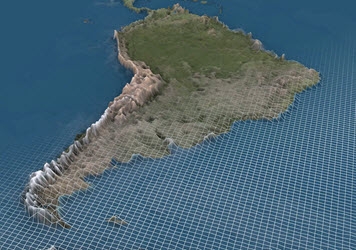
Soybeans Market Overview The market was quiet last week on slow Chinese demand. Dalian soymeal futures fell 2 percent last week with tweet-based news of a meeting between Presidents Trump and Xi pressuring Chinese crush margins and soybean demand. As it has always done based on these sorts of tweets, the market stood still while awaiting further details. With past Trump/Xi meetings, there has typically been a cycle of positive tweets and then positive tweets that include encouraging details, which have been followed by disappointing and trade war-lengthening tweets. That pattern has been fairly well defined over the past year, and this analyst didn’t expect any different outcome from last week’s tweet. It is difficult t...


 Kiwengwa/Pongwe Forest Reserve Kiwengwa/Pongwe Forest Reserve is located on the northeast coast of Unguja, 20 kilometres (12 mi) from the Town. The reserve is an important biodiversity spot in the coral rag zone. The forest reserve is rich both in faunal and floral species. The faunal species r...
 Fabiana is a genus of flowering plants in the nightshade family, native to dry slopes in western South America.[1] They are evergreen shrubs or subshrubs,[1] with needle-like leaves and profuse tiny tubular flowers in summer. The common name is false heath because the leaves superficially resem...
 An Ankylosaurus lumbers along the shore of what’s now eastern Montana. Walking low to the ground, the dino uses its flat, leaf-shaped teeth to tear at ferns lining the water. Suddenly, a shadow looms over the herbivore—a Tyrannosaurus rex is hungry. But Ankylosaurus won’t be a...

From WPI Consulting
Like all marmots
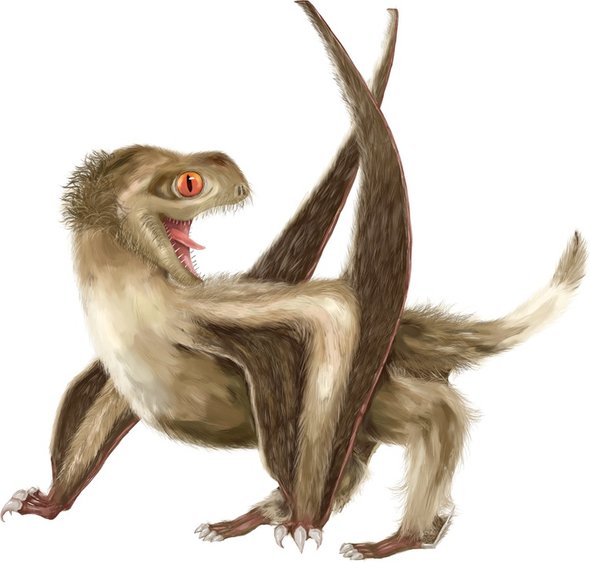
An adult Vancouver Island marmot typically measures 65 to 70 centimetres (26 to 28 in) from the tip of its nose to the tip of its tail.