


Macroeconomics and Policy Argentina’s outgoing presidential administration’s first post-election measure was to increase the percentage of foreign currency that exporters can re-enter into the system through the free exchange market (financial dollar). Now, exporters can allocate 50 percent to the free market (which trades at approximately 900 ARS/USD) and 50 percent at the official exchange rate (approximately 356 ARS/USD). This significantly boosted the payment capacity, which was immediately reflected in peso-denominated offer prices. The outgoing administration also moved to change the exchange rate used for soybeans. In November, soybeans were paid using a weighted exchange rate of 70 percent at the official dollar...


 Kiwengwa/Pongwe Forest Reserve Kiwengwa/Pongwe Forest Reserve is located on the northeast coast of Unguja, 20 kilometres (12 mi) from the Town. The reserve is an important biodiversity spot in the coral rag zone. The forest reserve is rich both in faunal and floral species. The faunal species r...
 Fabiana is a genus of flowering plants in the nightshade family, native to dry slopes in western South America.[1] They are evergreen shrubs or subshrubs,[1] with needle-like leaves and profuse tiny tubular flowers in summer. The common name is false heath because the leaves superficially resem...
 An Ankylosaurus lumbers along the shore of what’s now eastern Montana. Walking low to the ground, the dino uses its flat, leaf-shaped teeth to tear at ferns lining the water. Suddenly, a shadow looms over the herbivore—a Tyrannosaurus rex is hungry. But Ankylosaurus won’t be a...
 testing content here...

From WPI Consulting
Like all marmots
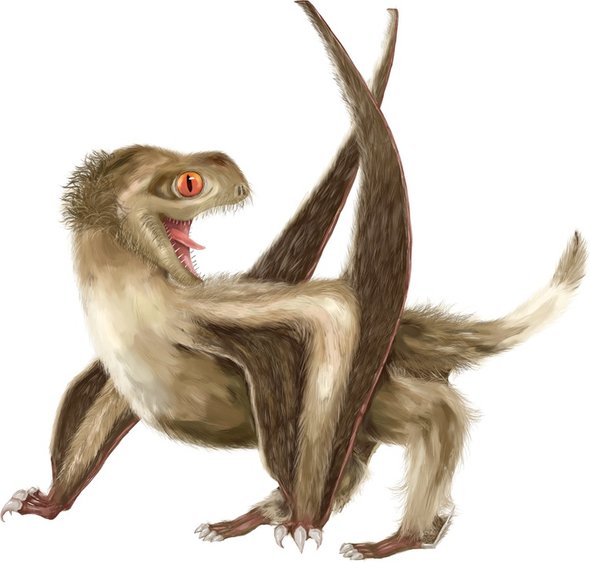
An adult Vancouver Island marmot typically measures 65 to 70 centimetres (26 to 28 in) from the tip of its nose to the tip of its tail.