


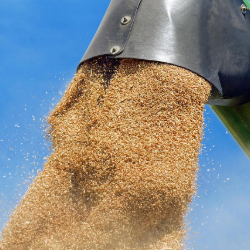
Somewhat lost in the current discussion over the impacts of the conflict in Iran and the Persian Gulf is the impact on grain trade. The region is not usually at the top of grain market analysts’ thinking when it comes to major demand centers, yet it accounts for significant global grain consumption and imports. Consequently, an examination of broad trends in regional grain imports is germane to the outlook for major commodities, especially heading into the USDA’s March WASDE report. For this analysis, WPI defines the Persian Gulf region as Iran, Iraq, Kuwait, Oman, Qatar, Saudi Arabia, Yemen, and Bahrain. Further, we focus our analysis of imports on wheat, corn, barley, soybeans, soybean meal, and DDGS, herein referred to...


 Kiwengwa/Pongwe Forest Reserve Kiwengwa/Pongwe Forest Reserve is located on the northeast coast of Unguja, 20 kilometres (12 mi) from the Town. The reserve is an important biodiversity spot in the coral rag zone. The forest reserve is rich both in faunal and floral species. The faunal species r...


 content here...
 Fabiana is a genus of flowering plants in the nightshade family, native to dry slopes in western South America.[1] They are evergreen shrubs or subshrubs,[1] with needle-like leaves and profuse tiny tubular flowers in summer. The common name is false heath because the leaves superficially resem...

From WPI Consulting
Like all marmots
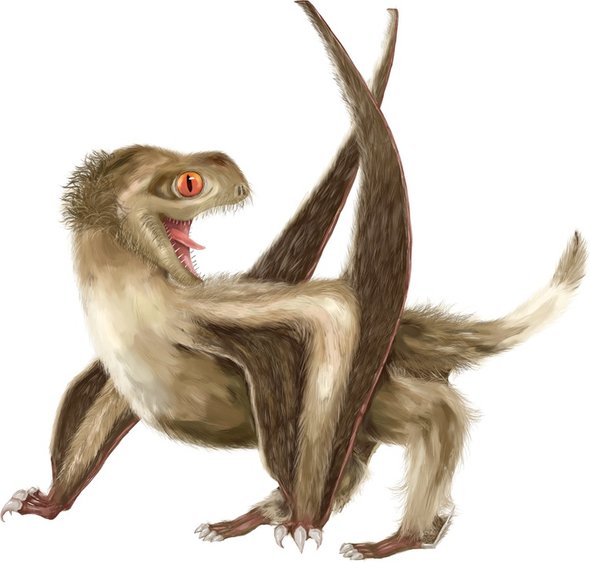
An adult Vancouver Island marmot typically measures 65 to 70 centimetres (26 to 28 in) from the tip of its nose to the tip of its tail.