


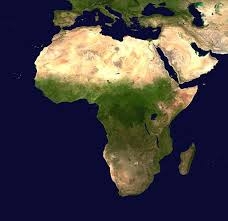
Regional Updates MEDITERRANEAN/MIDDLE EAST/NORTH AFRICA/AFRICA – MEA REGION Morocco’s Forafric Global has bought 90 percent of Societe Industrielle de Minoterie Du Sud which is a Moroccan soft wheat miller. This acquisition will add 300 MT per day of milling capacity to Forafric. Morocco’s wheat crop is forecast by the FAO to increase by 64 percent to 4.1 MMT as the current drought is ending. Barley production is expected to reach 1.35 MMT, up 97 percent. Grain imports will fall slightly to about 8.3 MMT. Imports remain high so that depleted stocks can be rebuilt. About 60 percent of grain imports are wheat according to the FAO. Morocco, Tunisia, and Egypt are all expected to have record tourist levels year this year...


 Kiwengwa/Pongwe Forest Reserve Kiwengwa/Pongwe Forest Reserve is located on the northeast coast of Unguja, 20 kilometres (12 mi) from the Town. The reserve is an important biodiversity spot in the coral rag zone. The forest reserve is rich both in faunal and floral species. The faunal species r...
 Fabiana is a genus of flowering plants in the nightshade family, native to dry slopes in western South America.[1] They are evergreen shrubs or subshrubs,[1] with needle-like leaves and profuse tiny tubular flowers in summer. The common name is false heath because the leaves superficially resem...

From WPI Consulting
Accountability and a comprehensive approach to export programming

WPI’s team helped construct a strategic approach to develop, implement, and track promotional activities in 8 key regions across the globe for an agricultural export association. With continued progress measurement and strategic advisory services from WPI, the association has seen its ROI from investments in promotional programming increase by 44 percent over the past 5 years. Not only does this type of holistic approach to organizational strategy provide measurable results to track and analyze, it fosters top-down and bottom-up organizational accountability.