


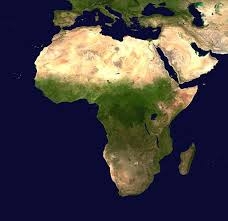
Regional Updates MEDITERRANEAN/MIDDLE EAST/NORTH AFRICA MEA region grain importers will face lower Russian export quotas in 2022 – 8 MMT of wheat and a total of 3 MMT for barley, corn, and rye. The initial quota period is from 15 February to 30 June and is a decrease over the original projected total quota number of 14 MMT, 9 MMT of which was expected to be wheat. The 2021 quota was much higher for the same period at 17.5 MMT. Much lower wheat production and high exports tariffs are the main reason for the lower export quota. Pakistan agriculture experts said the 2022 wheat crop could be smaller than anticipated due to a shortage of urea fertilizer in major growing areas. Urea has been sold to traders at much higher prices th...


 Kiwengwa/Pongwe Forest Reserve Kiwengwa/Pongwe Forest Reserve is located on the northeast coast of Unguja, 20 kilometres (12 mi) from the Town. The reserve is an important biodiversity spot in the coral rag zone. The forest reserve is rich both in faunal and floral species. The faunal species r...
 Fabiana is a genus of flowering plants in the nightshade family, native to dry slopes in western South America.[1] They are evergreen shrubs or subshrubs,[1] with needle-like leaves and profuse tiny tubular flowers in summer. The common name is false heath because the leaves superficially resem...
 An Ankylosaurus lumbers along the shore of what’s now eastern Montana. Walking low to the ground, the dino uses its flat, leaf-shaped teeth to tear at ferns lining the water. Suddenly, a shadow looms over the herbivore—a Tyrannosaurus rex is hungry. But Ankylosaurus won’t be a...
 testing content here...

From WPI Consulting
Like all marmots
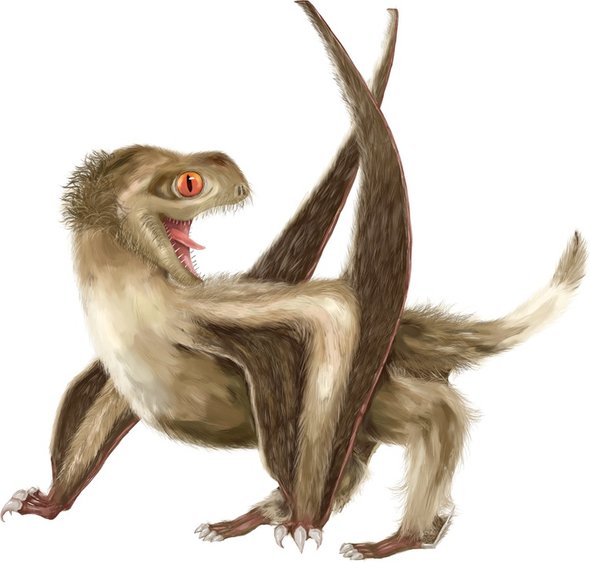
An adult Vancouver Island marmot typically measures 65 to 70 centimetres (26 to 28 in) from the tip of its nose to the tip of its tail.