

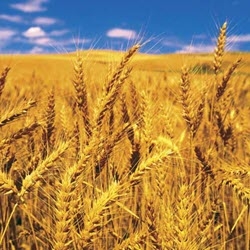
Many respondents to a recent WPI poll said that one impact of the COVID-19 crisis would be increased localization in the food supply. Indeed, there was already a push in Europe toward shorter supply chains, though mostly to boost farm income versus the current concern about food supply availability. However, this ignores the benefits of the current industrial structure, and the risks or costs of returning to the past. It is currently the middle of the supply chain that is broken – the processing of commodities into finished goods, which is mostly a short-term labor constraint. Large industrial scale processing and global distribution is more efficient, and arguably deploys greater food safety protocols than managing a multitude...


 Kiwengwa/Pongwe Forest Reserve Kiwengwa/Pongwe Forest Reserve is located on the northeast coast of Unguja, 20 kilometres (12 mi) from the Town. The reserve is an important biodiversity spot in the coral rag zone. The forest reserve is rich both in faunal and floral species. The faunal species r...


 content here...
 An Ankylosaurus lumbers along the shore of what’s now eastern Montana. Walking low to the ground, the dino uses its flat, leaf-shaped teeth to tear at ferns lining the water. Suddenly, a shadow looms over the herbivore—a Tyrannosaurus rex is hungry. But Ankylosaurus won’t be a...
 testing content here...

From WPI Consulting
Like all marmots
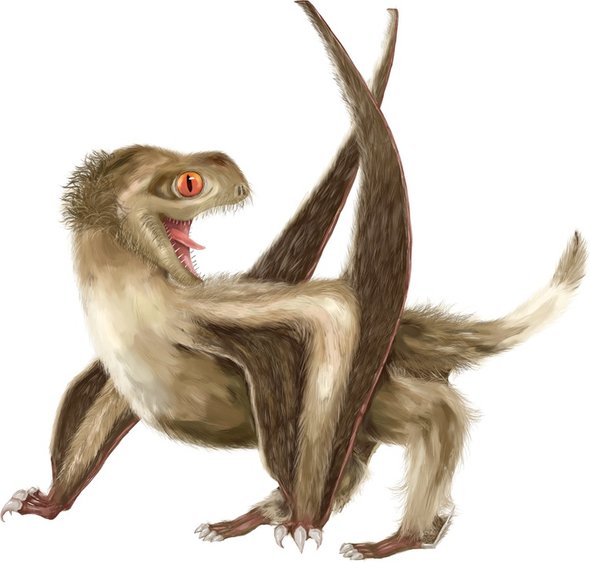
An adult Vancouver Island marmot typically measures 65 to 70 centimetres (26 to 28 in) from the tip of its nose to the tip of its tail.