
China to Continue Importing U.S. Soybeans but Unlikely to Purchase More Bloomberg reported today that sources in China indicate state-owned enterprises COFCO and Sinograin intend to continue importing the soybeans already purchased from the U.S. However, the two companies have not been told to buy the remaining 6.653 MMT of the 20 MMT that China pledged to purchase during the trade negotiations that have now stalled. At that time, it had promised to buy/import 20 MMT of U.S. soybeans. USDA export sales report data indicates that 13.347 MMT were bought with 6.343 MMT of that shipped as of 16 May, leaving 7.004 MMT still to be exported. Trade sources indicate there are now seven vessels at PNW ports and nine at USG ports that are either load...



 content here...
 Fabiana is a genus of flowering plants in the nightshade family, native to dry slopes in western South America.[1] They are evergreen shrubs or subshrubs,[1] with needle-like leaves and profuse tiny tubular flowers in summer. The common name is false heath because the leaves superficially resem...

 testing content here...

From WPI Consulting
Infrastructure investment due diligence
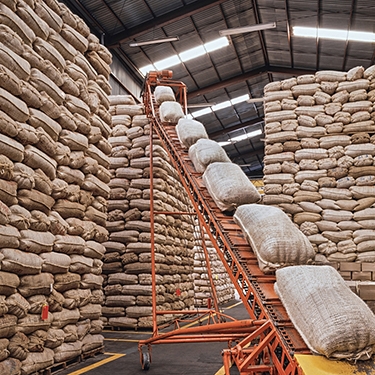
On behalf of a Canadian oilseed processer WPI's team provided market analysis, econometric modeling and financial due diligence in support of a $24 million-dollar investment in a Ukrainian crush plant. Consistent with WPI's findings, local production to supply the plant and the facility's output have expanded exponentially since the investment. WPI has conducted parallel work on behalf of U.S., South American and European clients, both private and public, in the agri-food space.