
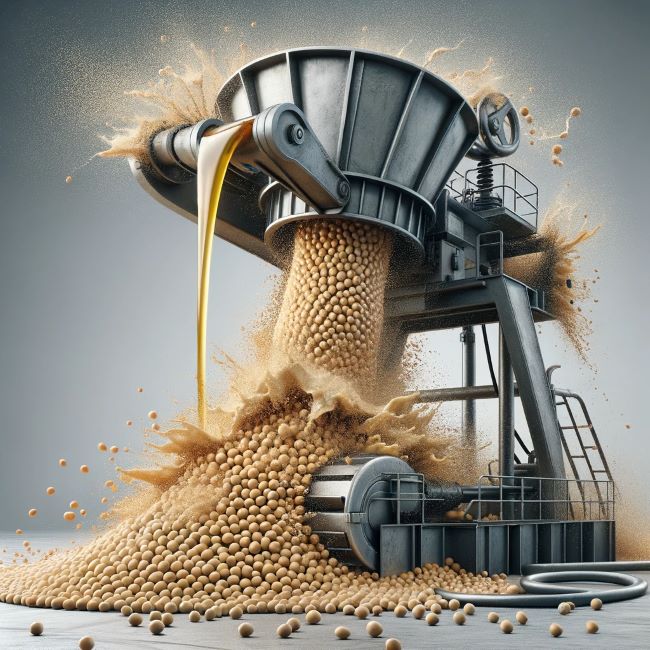
The Market Oilseed markets have been volatile again this week amid the tariff-induced meltdown in macroeconomic and ag markets and Wednesday’s massive reversal and rally in the same markets. The net result of this is that soy complex futures are largely little changed – especially in the context of the recent volatility – from last week. Soybeans and soymeal are up fractionally as hope is building for some agreement with China while soyoil is lower than last week due to the collapse in energy markets. The soy crush is slightly lower, consequently, with the oilshare of the margin falling 1.3 percentage points to 43.7 percent. The May board crush margin (that processing margin implied by May futures contracts) is down...


 Fabiana is a genus of flowering plants in the nightshade family, native to dry slopes in western South America.[1] They are evergreen shrubs or subshrubs,[1] with needle-like leaves and profuse tiny tubular flowers in summer. The common name is false heath because the leaves superficially resem...

 testing content here...

 A pika (/ˈpaɪkə, ˈpiːkə/ PY-kə, PEE-kə[3][4]) is a small, mountain-dwelling mammal native to Asia and North America. With short limbs, a very round body, an even coat of fur, and no external tail, they resemble their close relative the rabbit, but with short, rounded ears.[5] The large-eared pi...

From WPI Consulting
Forecasting developments in production agriculture
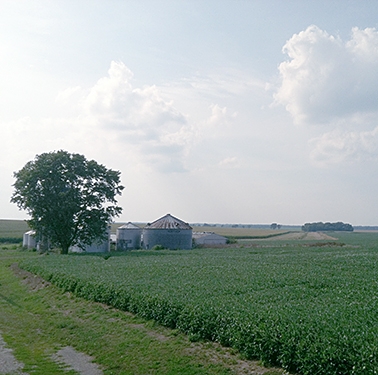
On behalf of a private U.S. agricultural technology provider, WPI’s team generated an econometric model to forecast the movement of concentrated corn production north and west from the traditional U.S. Corn Belt. WPI’s model has subsequently provided quantitative support to a multi-million-dollar investment into short-season corn variety development. WPI’s methodology included a series of interviews with regional grain elevators and seed consultants. Emphasizing outreach and communication with stakeholders who possess intimate sectoral knowledge – on-the-ground insights – is a regular component of WPI’s methodologies, made possible by WPI’s ever-growing network of industry contacts.