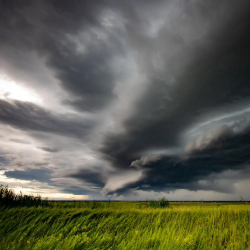
Old World Order The geopolitical impacts of the war on Iran continue, but Wall Street recovered today, aided by strong employment data. Iran announced a ban on food exports to protect its own food security. The measure will impact sales of saffron, pistachios, dates, and other products. While oil gets all the attention around the impacts of war on the Strait of Hormuz, it is also a shipping route for wheat, corn, dairy, and other bulk agricultural commodities. President Trump’s use of the U.S. military reinforces his contention that Europe, Japan, and others need to make trade concessions to America. Some may derisively call it a protection racket, but for Trump it is a fair quid pro quo for the global stability service provided...



 content here...

 The magpie goose (Anseranas semipalmata) is the sole living representative species of the family Anseranatidae. This waterbird is found in northern Australia and southern New Guinea.[2] The species is not truly migratory but it sometimes travels large distances to find food and water, especiall...

 testing content here...

From WPI Consulting
Like all marmots
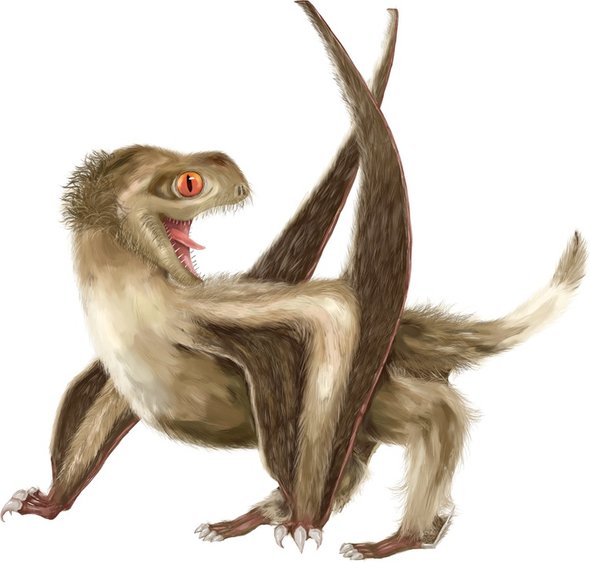
An adult Vancouver Island marmot typically measures 65 to 70 centimetres (26 to 28 in) from the tip of its nose to the tip of its tail.