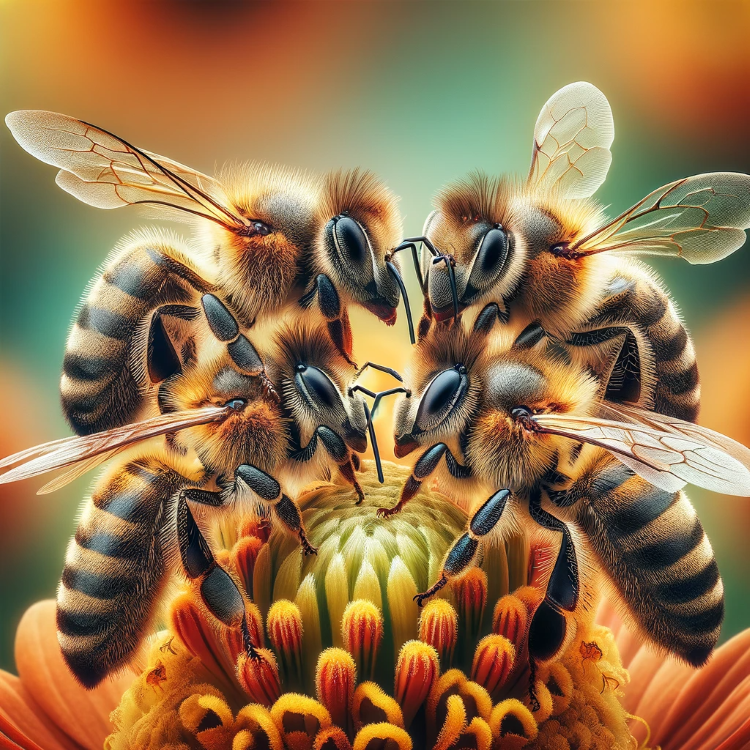
Over-greening Bees In 2018 we were all warned that a third or more of our food supply was being threatened by the struggles facing bees. Europe focused on insect pollinator health, including banning (with exceptions of course) neonicotinoid pesticides as a threat to pollinators. American researchers became focused on Colony Collapse Disorder. Pesticides, parasites, loss of habitat and climate change were all blamed for killing bees and thus the food supply. Now the New York Times reports that conservationists are trying and mostly failing to combat this widespread belief that honey bees are in danger. The notion that bees were threatened sparked a growth industry for bee colonies that now are threatening other pollinator species. Sc...



 content here...

 testing content here...

 A pika (/ˈpaɪkə, ˈpiːkə/ PY-kə, PEE-kə[3][4]) is a small, mountain-dwelling mammal native to Asia and North America. With short limbs, a very round body, an even coat of fur, and no external tail, they resemble their close relative the rabbit, but with short, rounded ears.[5] The large-eared pi...

From WPI Consulting
Weighing in on strategic realignment

WPI’s team was retained by the governing board of a U.S. industry organization to review a decision, reached by vote, to invest significant assets into the development and management of an export trading company. WPI’s team conducted a formal review of this decision and concluded that the current level of market saturation would limit the benefits of the investment. Based on WPI’s analysis and recommended actions, the board subsequently reversed its decision and undertook a strategic planning effort to identify more impactful investments. On behalf of numerous clients, WPI has not only assisted in identifying strategic paths but also advised their implementation.