
Partial Analysis The EU undergoes a WTO trade policy review this week in Geneva and Maria Cipollina and Luca Salvatici write in the European Review of Agricultural Economics that the trading block’s tariffs have greatly redirected agricultural imports. The pair correctly note that agricultural trade policy has been mostly disentangled from Europe’s domestic policies. Their analysis of the tariffs on agriculture concludes that they have decreased imports by approximately 14 percent from extra-EU countries but tariff preferences (via bilateral agreements or concessions to poorer countries) have increased imports by about 10 percent. Notably, they say the tariffs have decreased import shares specifically for Brazil and the...



 content here...

 testing content here...

 A pika (/ˈpaɪkə, ˈpiːkə/ PY-kə, PEE-kə[3][4]) is a small, mountain-dwelling mammal native to Asia and North America. With short limbs, a very round body, an even coat of fur, and no external tail, they resemble their close relative the rabbit, but with short, rounded ears.[5] The large-eared pi...

From WPI Consulting
Forecasting developments in production agriculture
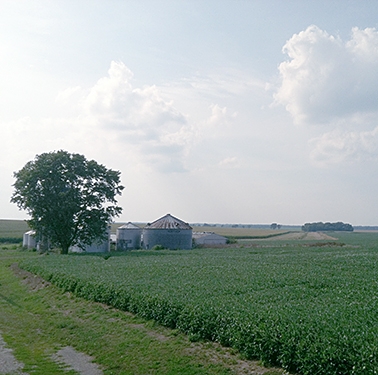
On behalf of a private U.S. agricultural technology provider, WPI’s team generated an econometric model to forecast the movement of concentrated corn production north and west from the traditional U.S. Corn Belt. WPI’s model has subsequently provided quantitative support to a multi-million-dollar investment into short-season corn variety development. WPI’s methodology included a series of interviews with regional grain elevators and seed consultants. Emphasizing outreach and communication with stakeholders who possess intimate sectoral knowledge – on-the-ground insights – is a regular component of WPI’s methodologies, made possible by WPI’s ever-growing network of industry contacts.