
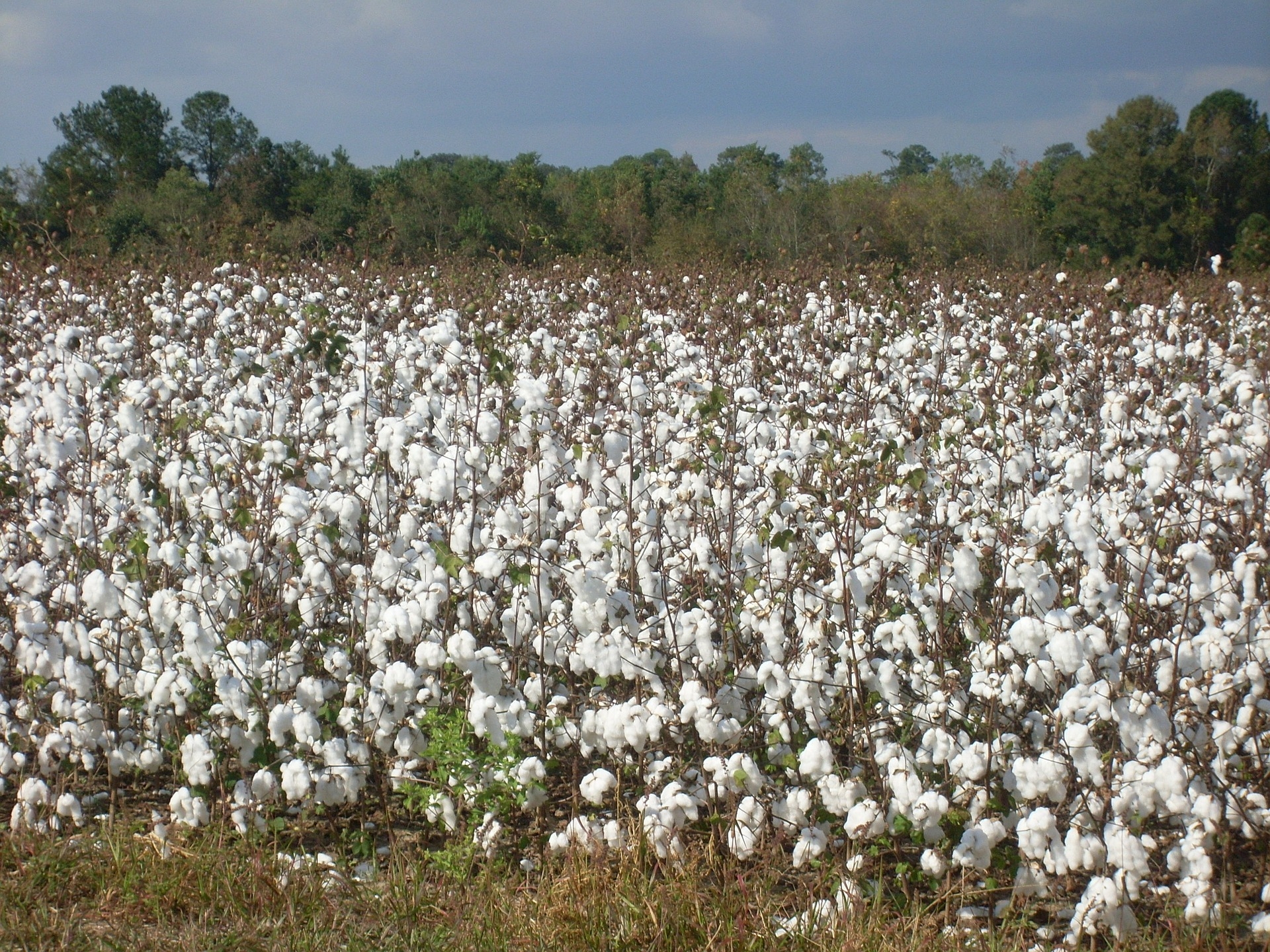
Global cotton production has declined, led by reductions in its two largest producers, China and India. Cotton is a heat tolerant, modest user of water, which appears perfect for climate change. It is also a natural fiber, and its oil contributes to food security. However, the fossil fuel-based synthetic fibers it competes against have grown in utility. By contrast, cotton requires a large portfolio of pest-fighting chemicals. Genetic modification is now focused on boosting drought tolerance earlier in plant development and reducing the need for chemical inputs. It has a lot of hurdles to overcome but a lot of tools at its disposal. ...



 A microlith is a small stone tool usually made of flint or chert and typically several centimeters in length and half a centimetre wide. They were made by humans from at least the Upper Paleolithic, across Africa, Europe, Asia and Australia. The microliths were used in spear points and arrowhea...
 testing content here...

 The Alaska marmot (Marmota broweri), also known as the Brooks Range marmot[3] or the Brower's marmot,[4] is a species of rodent in the family Sciuridae. Once considered to be the same species as the hoary marmot, it is now known to be unique. Alaska marmots are found in the scree slopes of the...

From WPI Consulting
Weighing in on strategic realignment

WPI’s team was retained by the governing board of a U.S. industry organization to review a decision, reached by vote, to invest significant assets into the development and management of an export trading company. WPI’s team conducted a formal review of this decision and concluded that the current level of market saturation would limit the benefits of the investment. Based on WPI’s analysis and recommended actions, the board subsequently reversed its decision and undertook a strategic planning effort to identify more impactful investments. On behalf of numerous clients, WPI has not only assisted in identifying strategic paths but also advised their implementation.