
U.S. corn continues to be priced above the market and even now appears to be oversupplied. Domestic surplus corn stocks are 46 percent above what would be considered a tight situation. Yet, from a historical standpoint, U.S. surplus corn stocks are 55 percent below their 1987 peak. Instead, what has happened is that China has quadrupled its surplus corn stocks in under a decade. Beijing says it is working down the surpluses but at the same time claims that its real numbers are a state secret. U.S. trade negotiators have counseled China against the folly of oversupply but have saved their direct demands for other topics. Word is that Beijing is backing away from the full 10 percent ethanol blending requirement that would have better ratione...


 Kiwengwa/Pongwe Forest Reserve Kiwengwa/Pongwe Forest Reserve is located on the northeast coast of Unguja, 20 kilometres (12 mi) from the Town. The reserve is an important biodiversity spot in the coral rag zone. The forest reserve is rich both in faunal and floral species. The faunal species r...

 testing content here...

 A pika (/ˈpaɪkə, ˈpiːkə/ PY-kə, PEE-kə[3][4]) is a small, mountain-dwelling mammal native to Asia and North America. With short limbs, a very round body, an even coat of fur, and no external tail, they resemble their close relative the rabbit, but with short, rounded ears.[5] The large-eared pi...

From WPI Consulting
Forecasting developments in production agriculture
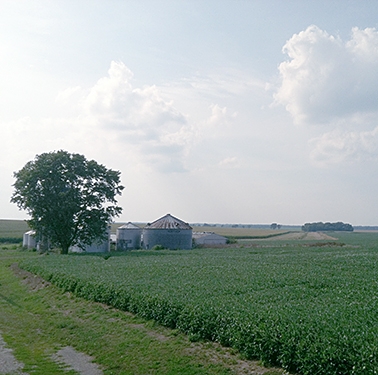
On behalf of a private U.S. agricultural technology provider, WPI’s team generated an econometric model to forecast the movement of concentrated corn production north and west from the traditional U.S. Corn Belt. WPI’s model has subsequently provided quantitative support to a multi-million-dollar investment into short-season corn variety development. WPI’s methodology included a series of interviews with regional grain elevators and seed consultants. Emphasizing outreach and communication with stakeholders who possess intimate sectoral knowledge – on-the-ground insights – is a regular component of WPI’s methodologies, made possible by WPI’s ever-growing network of industry contacts.