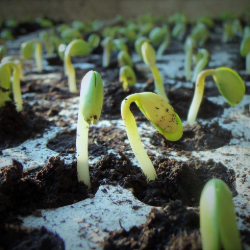
The market is still waiting for the 2026-2027 required volume obligation (RVO) to be announced. The expectation is that it will come by the end of this month; the proposed rule was issued in June 2025, referred to as the “Set 2” rule because there are several proposals that are re-set. The Set 2 rule included some key proposals such as limiting electricity from participating in the RVO, a reduction in the cellulosic RVO, and limiting foreign feedstock from qualifying for RIN credits under the scheme. Time is becoming a factor, as typically this announcement comes in November, but it is now scheduled for March. Additionally, small refinery exemptions (SREs) are back in the spotlight for biofuels, as the Administration has cleared...



 testing content here...

 A pika (/ˈpaɪkə, ˈpiːkə/ PY-kə, PEE-kə[3][4]) is a small, mountain-dwelling mammal native to Asia and North America. With short limbs, a very round body, an even coat of fur, and no external tail, they resemble their close relative the rabbit, but with short, rounded ears.[5] The large-eared pi...


 Lobelia (/loʊˈbiːliə, lə-/[4][5][6]) is a genus of flowering plants in the family Campanulaceae comprising 415 species,[7] with a subcosmopolitan distribution primarily in tropical to warm temperate regions of the world, a few species extending into cooler temperate regions.[8] They are known g...

From WPI Consulting
Like all marmots
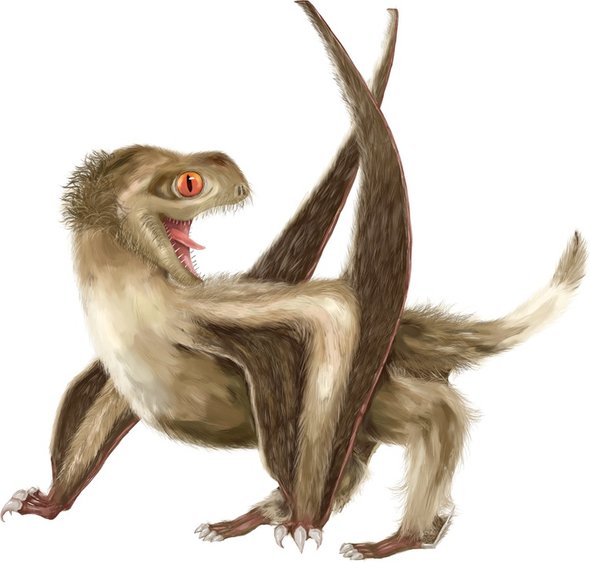
An adult Vancouver Island marmot typically measures 65 to 70 centimetres (26 to 28 in) from the tip of its nose to the tip of its tail.