Tale of Two Stories The U.S.-China bilateral meeting is reportedly back on, assuming President Trump does not interfere again. He doesn’t want to talk to Beijing due to ongoing anger over COVID-19. However, USTR Robert Lighthizer gave China cover this week in discussing the Phase One commodity purchases. He said they have done the best they can considering the circumstances (e.g. COVID-hit economy), and they have made a record amount of agricultural purchases. That is actually quite generous considering two things: 1) Chinese consumer demand for pork and concurrently feed demand means they could be buying more pork and corn than they are; and 2) Beijing will be on the offensive over Washington’s assault on its technology compan...



 content here...

 testing content here...

 A pika (/ˈpaɪkə, ˈpiːkə/ PY-kə, PEE-kə[3][4]) is a small, mountain-dwelling mammal native to Asia and North America. With short limbs, a very round body, an even coat of fur, and no external tail, they resemble their close relative the rabbit, but with short, rounded ears.[5] The large-eared pi...

From WPI Consulting
Infrastructure investment due diligence
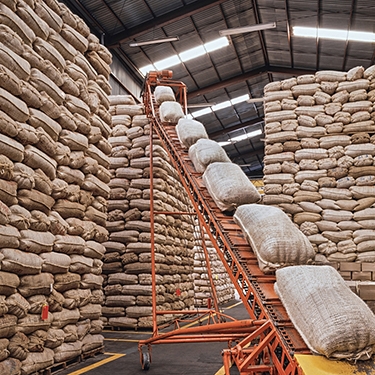
On behalf of a Canadian oilseed processer WPI's team provided market analysis, econometric modeling and financial due diligence in support of a $24 million-dollar investment in a Ukrainian crush plant. Consistent with WPI's findings, local production to supply the plant and the facility's output have expanded exponentially since the investment. WPI has conducted parallel work on behalf of U.S., South American and European clients, both private and public, in the agri-food space.