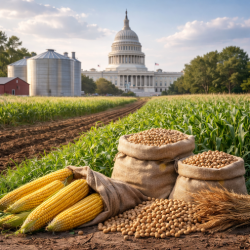
Tariff Confusion Fun Reactions to the U.S. Supreme Court’s ruling that general use of tariffs is not within the President’s authority under the International Emergency Economic Powers Act (IEEPA) have been wildly diverse. Mass media headlines initially celebrated the “smack down” of President Trump’s pomposity. That then morphed into uncertainty. The European Parliament first said it was stopping consideration of the transatlantic trade deal forced into negotiation by IEEPA tariffs, then the European Commission warned the White House that “a deal is a deal” when the President reverted to other tariff authorities. Trade policy experts have long noted that there are many alternative U.S. trade authori...



 content here...

 The magpie goose (Anseranas semipalmata) is the sole living representative species of the family Anseranatidae. This waterbird is found in northern Australia and southern New Guinea.[2] The species is not truly migratory but it sometimes travels large distances to find food and water, especiall...

 testing content here...

From WPI Consulting
Infrastructure investment due diligence
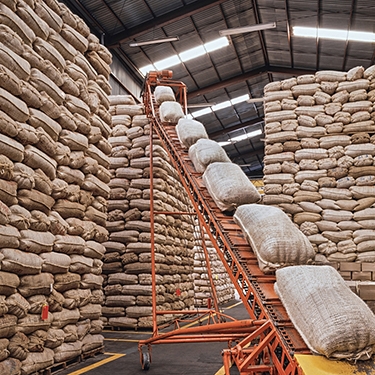
On behalf of a Canadian oilseed processer WPI's team provided market analysis, econometric modeling and financial due diligence in support of a $24 million-dollar investment in a Ukrainian crush plant. Consistent with WPI's findings, local production to supply the plant and the facility's output have expanded exponentially since the investment. WPI has conducted parallel work on behalf of U.S., South American and European clients, both private and public, in the agri-food space.