
In May, the U.S. and China agreed to reduce import tariffs by a combined 115 percentage points, down to 10 percent. The agreement was intended to cool years of tariffs and trade conflict that came to a head on 2 April with the announcement of new U.S. tariffs. At the time, both sides indicated the agreement was a framework toward a larger, longer term understanding that could lead to a deal in time. However, that agreement was short-lived. The Trump Administration has since issued artificial intelligence (AI) chip export control guidelines, stopped the sale of chip design software to China, and is planning to revoke a number of Chinese student visas, particularly targeting those with ties to the ruling Chinese Communist Party. China has sta...



 content here...

 testing content here...

 A pika (/ˈpaɪkə, ˈpiːkə/ PY-kə, PEE-kə[3][4]) is a small, mountain-dwelling mammal native to Asia and North America. With short limbs, a very round body, an even coat of fur, and no external tail, they resemble their close relative the rabbit, but with short, rounded ears.[5] The large-eared pi...

From WPI Consulting
Infrastructure investment due diligence
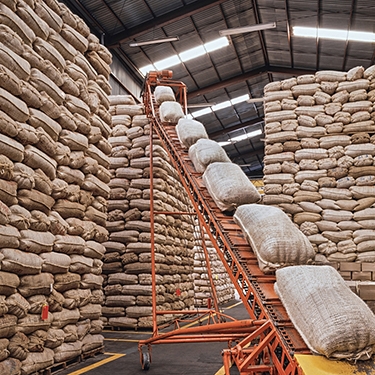
On behalf of a Canadian oilseed processer WPI's team provided market analysis, econometric modeling and financial due diligence in support of a $24 million-dollar investment in a Ukrainian crush plant. Consistent with WPI's findings, local production to supply the plant and the facility's output have expanded exponentially since the investment. WPI has conducted parallel work on behalf of U.S., South American and European clients, both private and public, in the agri-food space.