U.S. – China Rift There is a split within Washington policy circles over the continuation of Donald Trump’s tariffs on Chinese goods. Backing the Senate position, Treasury Secretary Janet Yellen called for reducing the tariffs and White House Deputy National Security Advisor Daleep Singh said they “serve no strategic purpose.” Meanwhile, USTR Katherine Tai backs the House position that the tariffs provide negotiating leverage. As former Senator and Ambassador to China Max Baucus used to say, leverage is all that matters in trade negotiations. One side says eliminating the tariffs will attack inflation; the other side says they do not and instead keep the U.S. dependent on the Chinese supply chain. The want to elimin...



 content here...

 testing content here...

 A pika (/ˈpaɪkə, ˈpiːkə/ PY-kə, PEE-kə[3][4]) is a small, mountain-dwelling mammal native to Asia and North America. With short limbs, a very round body, an even coat of fur, and no external tail, they resemble their close relative the rabbit, but with short, rounded ears.[5] The large-eared pi...

From WPI Consulting
Forecasting developments in production agriculture
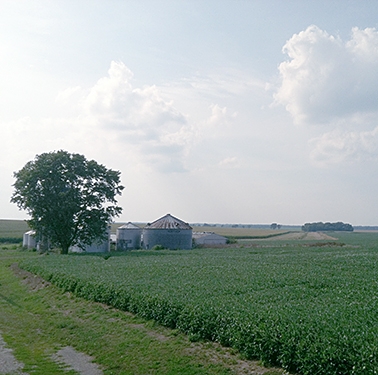
On behalf of a private U.S. agricultural technology provider, WPI’s team generated an econometric model to forecast the movement of concentrated corn production north and west from the traditional U.S. Corn Belt. WPI’s model has subsequently provided quantitative support to a multi-million-dollar investment into short-season corn variety development. WPI’s methodology included a series of interviews with regional grain elevators and seed consultants. Emphasizing outreach and communication with stakeholders who possess intimate sectoral knowledge – on-the-ground insights – is a regular component of WPI’s methodologies, made possible by WPI’s ever-growing network of industry contacts.