
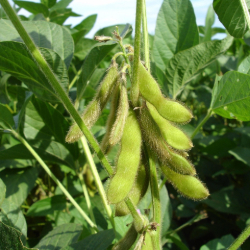
With soybean and soy product exports frequently in the headlines amid the ongoing tariff and policy shifts from Washington, examining export trends is increasingly important. Thursday’s updated Export Sales report from the USDA offered some interesting statistics for these markets, and WPI offers our examination of these trends and an outlook for what the rest of 2025/26 holds. Soybeans U.S. soybean exports are down 32 percent YTD, due to a massive 68 percent reduction in shipments to China. Exports to other countries are up sharply, as non-China buyers took advantage of the U.S.’s price competitiveness (before the January–February rally), and shipments to Mexico, Egypt, Japan, and Bangladesh are up sharply this year...


 Fabiana is a genus of flowering plants in the nightshade family, native to dry slopes in western South America.[1] They are evergreen shrubs or subshrubs,[1] with needle-like leaves and profuse tiny tubular flowers in summer. The common name is false heath because the leaves superficially resem...

 testing content here...

 A pika (/ˈpaɪkə, ˈpiːkə/ PY-kə, PEE-kə[3][4]) is a small, mountain-dwelling mammal native to Asia and North America. With short limbs, a very round body, an even coat of fur, and no external tail, they resemble their close relative the rabbit, but with short, rounded ears.[5] The large-eared pi...

From WPI Consulting
Forecasting developments in production agriculture
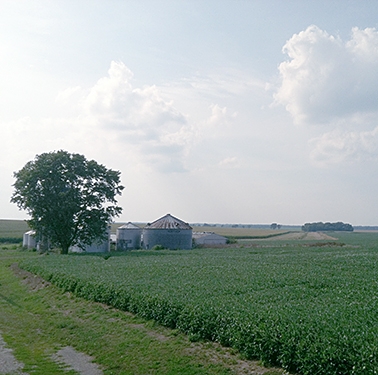
On behalf of a private U.S. agricultural technology provider, WPI’s team generated an econometric model to forecast the movement of concentrated corn production north and west from the traditional U.S. Corn Belt. WPI’s model has subsequently provided quantitative support to a multi-million-dollar investment into short-season corn variety development. WPI’s methodology included a series of interviews with regional grain elevators and seed consultants. Emphasizing outreach and communication with stakeholders who possess intimate sectoral knowledge – on-the-ground insights – is a regular component of WPI’s methodologies, made possible by WPI’s ever-growing network of industry contacts.