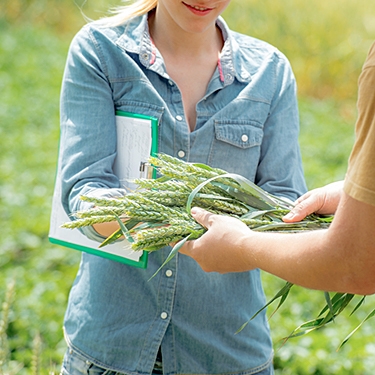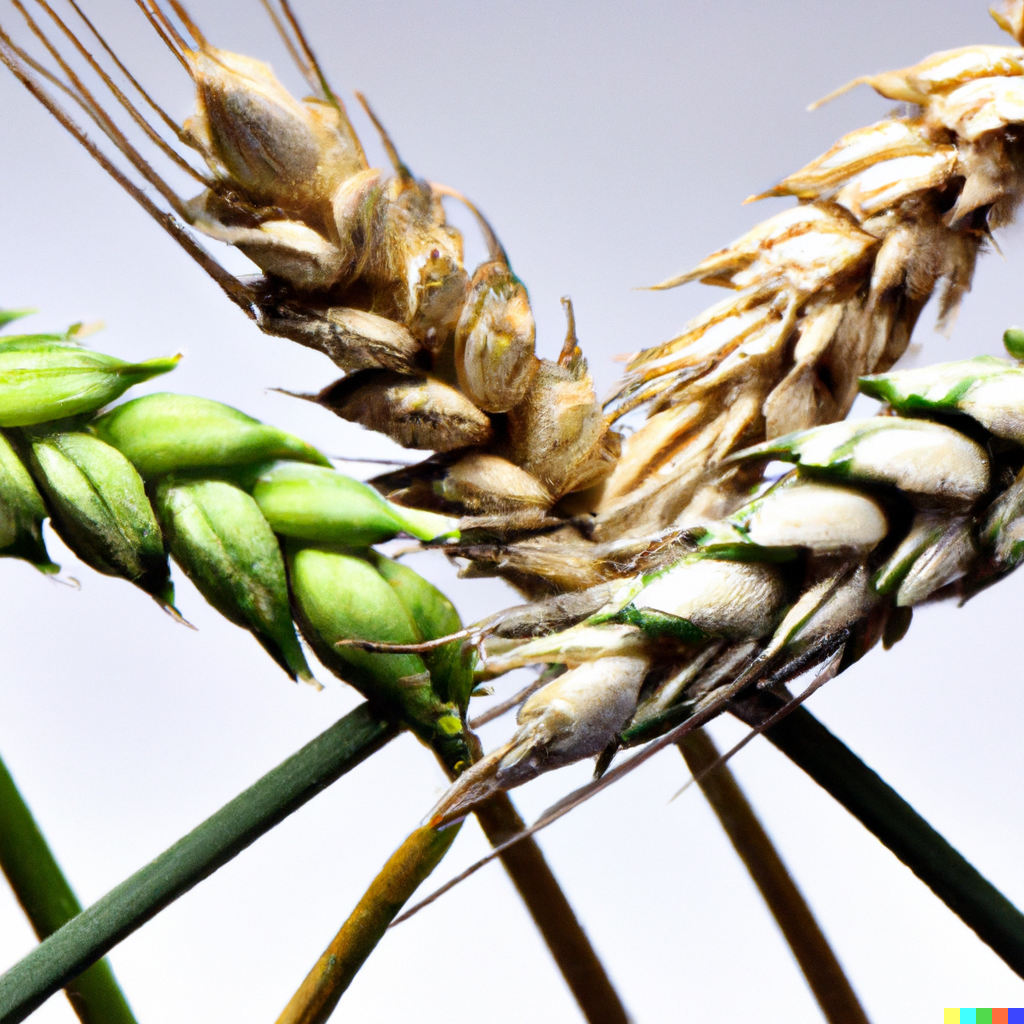
The battle for acres between soybeans and corn is well known but other crops are also considered by producers. For the top three cereal grain crops, there are wide ranging pros and cons to each one.
One of the largest influences on planting choice is net returns but agronomics, including moisture and heating degree days are key dictates. That is why Canada grows proportionally more barley, and the U.S. grows more corn. Collectively, the global winner over time has been corn. Over the past few decades, global barley production has increased by a little over 12 percent, wheat production has expanded by 34 percent, but corn output is up by almost 100 percent. ...


 Kiwengwa/Pongwe Forest Reserve Kiwengwa/Pongwe Forest Reserve is located on the northeast coast of Unguja, 20 kilometres (12 mi) from the Town. The reserve is an important biodiversity spot in the coral rag zone. The forest reserve is rich both in faunal and floral species. The faunal species r...
 An Ankylosaurus lumbers along the shore of what’s now eastern Montana. Walking low to the ground, the dino uses its flat, leaf-shaped teeth to tear at ferns lining the water. Suddenly, a shadow looms over the herbivore—a Tyrannosaurus rex is hungry. But Ankylosaurus won’t be a...
 testing content here...

 A pika (/ˈpaɪkə, ˈpiːkə/ PY-kə, PEE-kə[3][4]) is a small, mountain-dwelling mammal native to Asia and North America. With short limbs, a very round body, an even coat of fur, and no external tail, they resemble their close relative the rabbit, but with short, rounded ears.[5] The large-eared pi...