
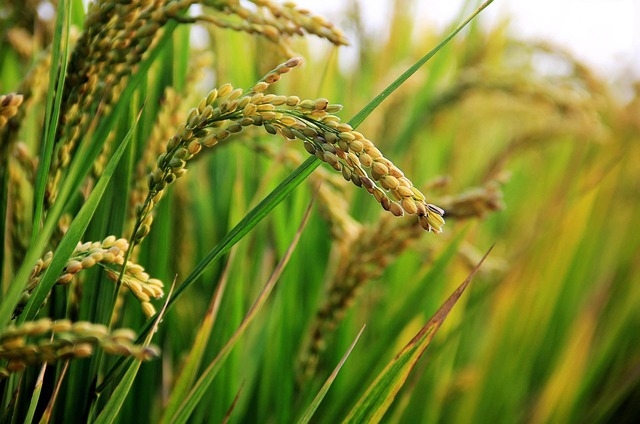
The paradigm taught in the 1970’s and 1980’s was that wheat consumption was replacing rice consumption as the former commodity became more available in Asia. However, the actual data covering the past fifty years shows a slight advantage for rice. The average annual percent increase for rice disappearance has been 1.73 percent for rice, versus 1.7 percent for wheat. This could be because more of the population increase has occurred in Asia where rice consumption is more prevalent. The annual change in world population over that same time has been 1.46 percent, so fortunately more rice and wheat calories are being consumed by the larger population. However, the annual percent increase in the consumption of both commodities has b...


 An Ankylosaurus lumbers along the shore of what’s now eastern Montana. Walking low to the ground, the dino uses its flat, leaf-shaped teeth to tear at ferns lining the water. Suddenly, a shadow looms over the herbivore—a Tyrannosaurus rex is hungry. But Ankylosaurus won’t be a...
 testing content here...

 A pika (/ˈpaɪkə, ˈpiːkə/ PY-kə, PEE-kə[3][4]) is a small, mountain-dwelling mammal native to Asia and North America. With short limbs, a very round body, an even coat of fur, and no external tail, they resemble their close relative the rabbit, but with short, rounded ears.[5] The large-eared pi...

 Kolkwitzia amabilis /kɒlˈkwɪtsiə əˈmæbɪlɪs/,[2] commonly known as beauty bush, is a species of flowering plant in the family Caprifoliaceae. It is the sole species in genus Kolkwitzia.[1] It is a deciduous shrub grown as an ornamental plant. In China, where it originated, the plant is cal...

From WPI Consulting
Like all marmots
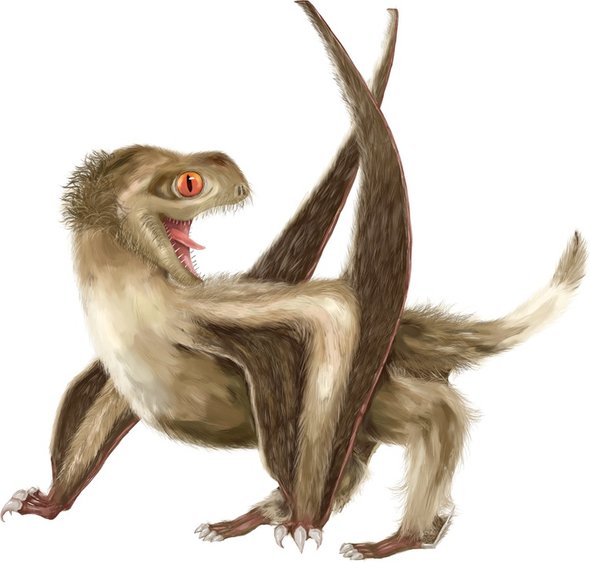
An adult Vancouver Island marmot typically measures 65 to 70 centimetres (26 to 28 in) from the tip of its nose to the tip of its tail.