
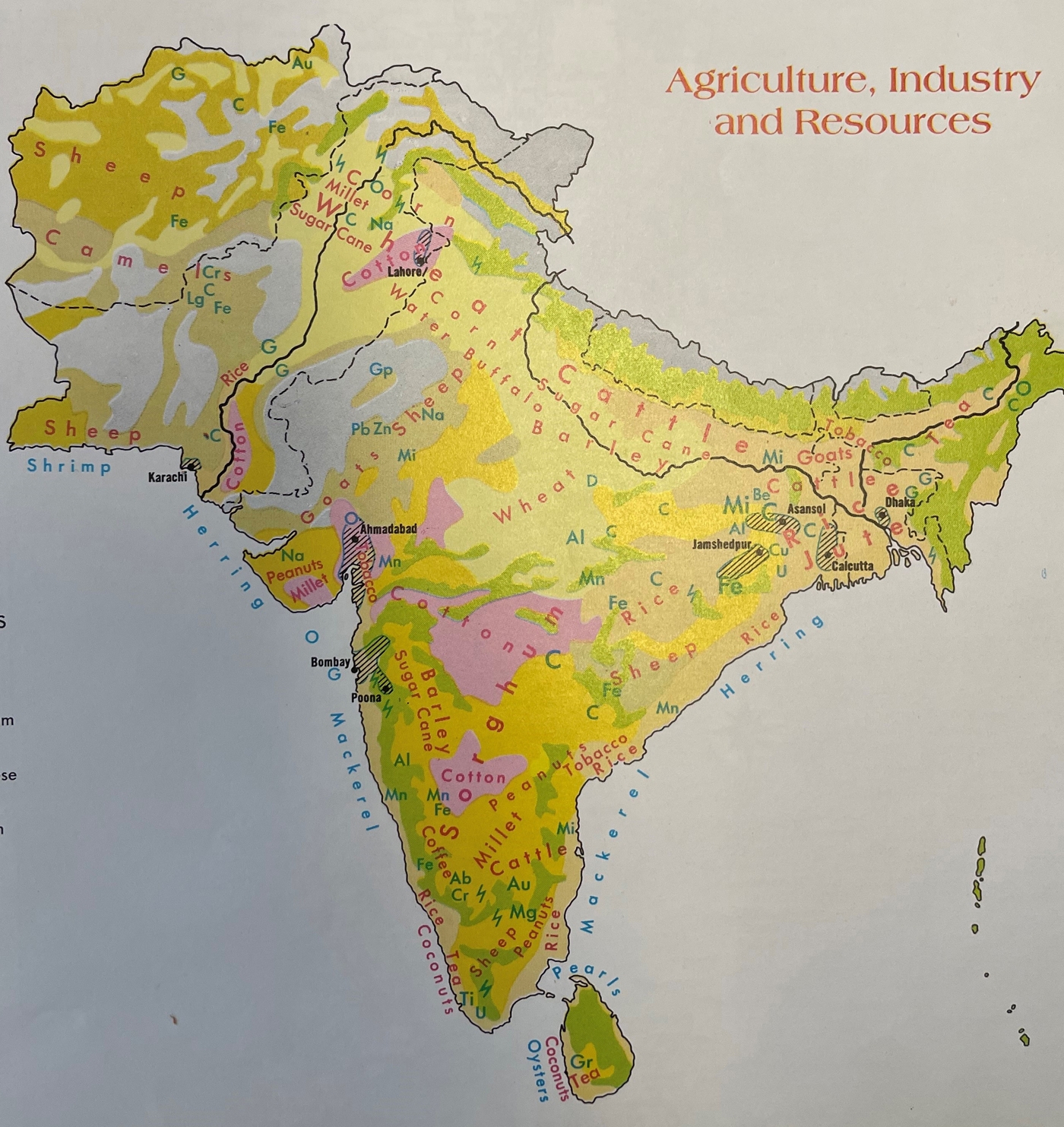
Back in January, U.S. wheat growers were demanding that USTR file a WTO case against India for exceeding its de minimis limit of subsidies capped at 10 percent of the value of wheat production. The demand was presaged by a U.S. government counternotification to the WTO that New Delhi had substantially underreported its subsidies for wheat. In fact, up to half the value of the wheat crop was subsidized and new fertilizer subsidies were being introduced. Then Russia invaded Ukraine and the supply of the world’s most popular food grain was threatened. Those concerned about food security looked optimistically to India’s impending bumper crop of wheat. Indian officials predicted exports in FY 2022/23 (1 April to 31 March) woul...


 An Ankylosaurus lumbers along the shore of what’s now eastern Montana. Walking low to the ground, the dino uses its flat, leaf-shaped teeth to tear at ferns lining the water. Suddenly, a shadow looms over the herbivore—a Tyrannosaurus rex is hungry. But Ankylosaurus won’t be a...
 testing content here...

 A pika (/ˈpaɪkə, ˈpiːkə/ PY-kə, PEE-kə[3][4]) is a small, mountain-dwelling mammal native to Asia and North America. With short limbs, a very round body, an even coat of fur, and no external tail, they resemble their close relative the rabbit, but with short, rounded ears.[5] The large-eared pi...

From WPI Consulting
Forecasting developments in production agriculture
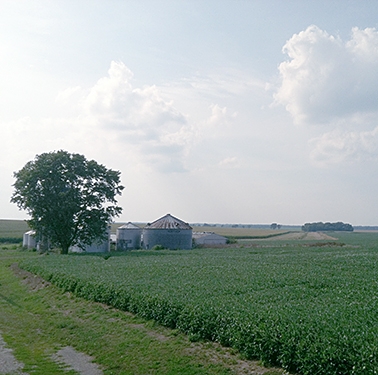
On behalf of a private U.S. agricultural technology provider, WPI’s team generated an econometric model to forecast the movement of concentrated corn production north and west from the traditional U.S. Corn Belt. WPI’s model has subsequently provided quantitative support to a multi-million-dollar investment into short-season corn variety development. WPI’s methodology included a series of interviews with regional grain elevators and seed consultants. Emphasizing outreach and communication with stakeholders who possess intimate sectoral knowledge – on-the-ground insights – is a regular component of WPI’s methodologies, made possible by WPI’s ever-growing network of industry contacts.