


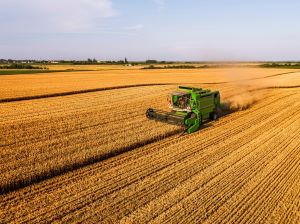
Heading into the USDA’s July WASDE report on Friday, WPI offers our outlook on the 2025/26 U.S. grain balance sheets and the season-average price. The big theme from this effort is that 2025/26 grain supplies will be ample and markets will have to move lower to stimulate enough demand to avoid a large build-up in stocks. WPI’s models are most bearish corn and sorghum where large acreage and supplies in the former market will pressure prices in both. WPI’s models are somewhat neutral wheat for the 2025/26 crop year though prices are expected to increase significantly later this year and offer substantial returns to storage. The only market to receive a bullish outlook from WPI is soybeans, where an optimistic view of the 20...


 Kiwengwa/Pongwe Forest Reserve Kiwengwa/Pongwe Forest Reserve is located on the northeast coast of Unguja, 20 kilometres (12 mi) from the Town. The reserve is an important biodiversity spot in the coral rag zone. The forest reserve is rich both in faunal and floral species. The faunal species r...
 Fabiana is a genus of flowering plants in the nightshade family, native to dry slopes in western South America.[1] They are evergreen shrubs or subshrubs,[1] with needle-like leaves and profuse tiny tubular flowers in summer. The common name is false heath because the leaves superficially resem...
 An Ankylosaurus lumbers along the shore of what’s now eastern Montana. Walking low to the ground, the dino uses its flat, leaf-shaped teeth to tear at ferns lining the water. Suddenly, a shadow looms over the herbivore—a Tyrannosaurus rex is hungry. But Ankylosaurus won’t be a...
 testing content here...

From WPI Consulting
Like all marmots
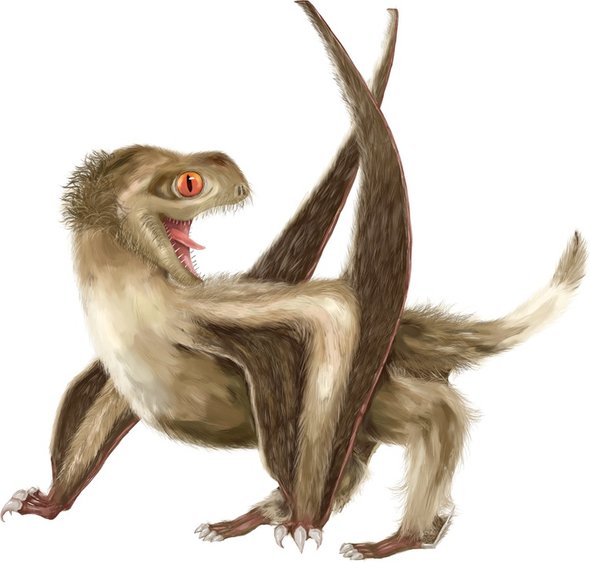
An adult Vancouver Island marmot typically measures 65 to 70 centimetres (26 to 28 in) from the tip of its nose to the tip of its tail.